The Best AI Diet App in 2026 (For People Who Hate Counting Calories)
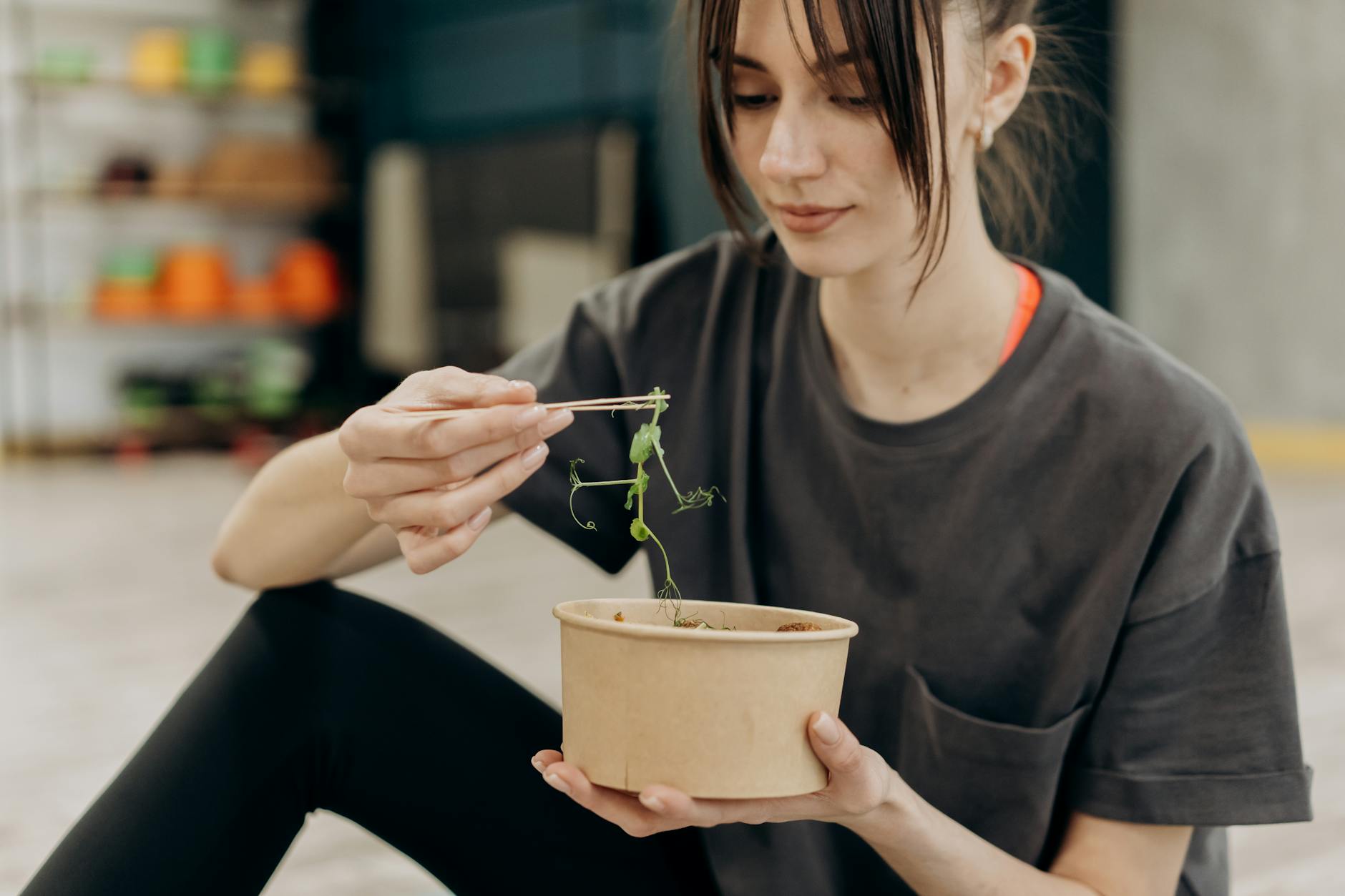
You've tried a diet before. Probably more than one. The pattern usually goes: you download an app, you spend a weekend planning meals, you log religiously for ten days, you miss one breakfast, and three weeks later the app is still on your phone but you haven't opened it since.
The problem isn't you. The problem is that most "diet apps" in 2026 are still 2014-era calorie counters with a fresh coat of paint. The market shifted — GLP-1 drugs changed what people actually eat, AI changed what's possible to log automatically, and yet MyFitnessPal still wants you to scan a barcode and pick from 14 versions of "grilled chicken."
Here's what a real AI diet app should look like in 2026, and what to actually look for before you commit to another one.
What a Real Diet App Should Actually Do
This is the checklist. If your current app fails three or more of these, you're using a tool that was built for someone else's diet, not yours.
1. Logging Should Take Ten Seconds, Not Ninety
This is the number one reason people quit. If logging a meal takes more than fifteen seconds, you will eventually stop. Database search and barcode scanning were the best we had in 2014, but in 2026 you should be able to snap a photo of your plate, say "scrambled eggs and avocado toast," or scan a barcode — and have the entire meal logged with full nutrients in under ten seconds. If your diet app still routes everything through a search box, you're using a museum piece.
2. It Has to Track Protein First, Not Calories First
The single biggest shift in nutrition science over the last five years is the prioritization of protein. Whether you're losing weight, lifting, recovering, or on a GLP-1 medication, hitting your protein target matters more than your calorie count. A diet app that buries protein under "carbs, fat, calories" in faded grey text is optimizing for the wrong thing.
3. It Should Track Micronutrients, Not Just Macros
Most diets fail not because of calories but because of nutrient gaps. Low magnesium gives you cramps and bad sleep. Low B12 makes you tired. Low iron makes everything worse. A 2026 diet app should track 50+ nutrients automatically and flag deficiencies before you feel them — not after.
4. It Has to Handle GLP-1 Diets Differently
If you're on Ozempic, Wegovy, or Mounjaro, your "diet" is fundamentally different — smaller portions, weird appetite cycles, side effects after meals, real risk of muscle loss. A generic diet app that lectures you for under-eating is the wrong tool. The app should adapt: protein-first targets, side effect logging, dose tracking, and no shame for a 600-calorie day.
5. It Should Handle Day 14, Not Just Day 1
Every diet app onboards you beautifully. The question is whether it's still useful three weeks in, when you've slipped, when you ate pizza on Friday, when you're tired of looking at the same screen. A real diet app has a get-back-on-track system — something that pulls you back without guilt-tripping you into another reset.
The hard truth about diet apps: most of them are designed to be impressive in the App Store screenshots, not in real life on Day 14. The one you'll actually use is the one that takes ten seconds, asks for nothing on bad days, and shows up on the good ones.
Why Most Diet Apps Still Fail in 2026
Let's name names. Here's the honest read on the most common diet apps people are still defaulting to:
- MyFitnessPal is a calorie database with the same UX it had in 2015. Premium adds nothing meaningful for diets — it's still you searching, you scanning, you guessing portions. The free tier ad load is now aggressive enough to be its own quitting trigger.
- Lose It! has a slightly cleaner interface and better photo logging than it used to, but its diet plans are still calorie-deficit-only. No micronutrient awareness, no real GLP-1 mode, no protein-first dashboard.
- Noom is a behavioral psychology app with a tracker bolted on. The lessons are fine. The actual food logging is slow, the database is mediocre, and the price tag is wildly out of line with what you get.
- Cronometer is excellent for nutrient nerds but punishing for normal humans. The UX assumes you want to weigh every food on a kitchen scale. If that's you, great. If you have a job, it's not the diet app for you.
- Generic "AI diet" apps that launched in 2024-2025 mostly slap GPT on top of a calorie database and call it AI. The photo logging is unreliable, the nutrient data is shallow, and they tend to disappear after a quarter when their funding runs out.
What HealthyOne Does Differently
I built HealthyOne because I wanted a diet app that survived a real life. Not a clean kitchen, not a calm week, not a perfect macro plan — a real life with kids and travel and 8pm leftovers. Here's how it's different.
Four Logging Methods, Pick the One That Fits Your Day
Photo logging when you forgot to plan. Voice logging when you're driving home from work. Text logging when you ate something the camera can't see. Barcode logging for the packaged stuff. The AI handles all four with the same nutrient depth — 50+ macro and micronutrients per entry — so you're never punished for using the fast input.
Protein-First, Calorie-Second by Default
The home screen shows your protein number first. Calories are available, but they're not the hero. If you're in a deficit and hit your protein target, the app celebrates. That's the right behavior, and it's the opposite of how MyFitnessPal trains you.
Heart Health, Power Score, and a Diet That Knows Your Body
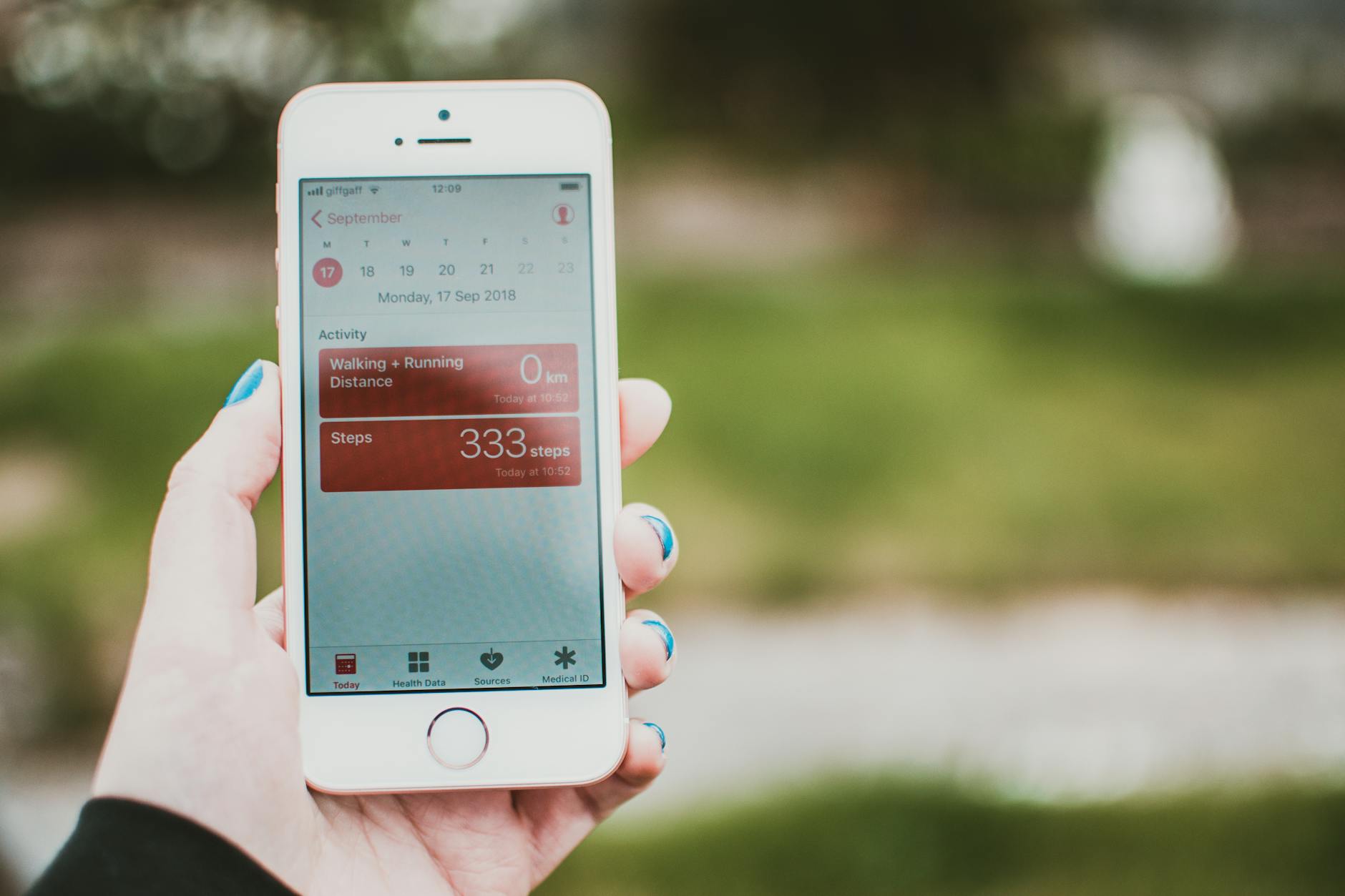
The Heart Health dashboard surfaces fiber, sodium, omega-3s, and added sugars — the things that actually move cardiovascular risk. The Power Score gives you one number to track instead of seven. And it syncs to Apple Health and Google Health Connect, so weight, body fat, and activity are pulled in automatically.
GLP-1 Mode for Modern Diets
If you're on a GLP-1 drug, the app shifts behavior automatically. Side effect logging, dose tracking, protein targets adjusted for muscle preservation, and zero shame for a small-portion day. This is one of the fastest-growing diet categories on the planet right now, and most apps haven't built for it.
Squad Gamification and Avatar Progression
Diets are lonely. The squad feature lets you connect with a small group — friends, family, or other people working on the same thing — for accountability without judgment. Your avatar evolves as you hit milestones, which sounds silly until you realize you're three weeks in and still opening the app.
Recipe Discovery and Grocery Lists
The diet app you'll actually use has to help you eat, not just log what you ate. Recipe discovery surfaces meals that hit your nutrient gaps, and the auto-generated grocery list saves you the Sunday-night planning loop.
The Bottom Line
If your diet app makes you feel like you're doing data entry for a database, you're using the wrong tool for 2026. The best AI diet app is the one that disappears into the background — logs in ten seconds, surfaces what matters, ignores what doesn't, and is still useful when you've slipped. That's what we built HealthyOne to do.
Stop counting. Start eating with information. Your diet should be a system, not a punishment.
Diet App FAQ
What is the best diet app in 2026?
The best diet app in 2026 logs a meal in under ten seconds, tracks protein before calories, covers 50+ micronutrients, and adapts to GLP-1 diets. HealthyOne was built around those four things, with photo, voice, text, and barcode logging plus a get-back-on-track system for when you slip.
Is there a diet app that doesn't make you count calories?
Yes. HealthyOne is protein-first by default — calories are available but not the hero number. You log meals by photo or voice and the app surfaces nutrient gaps instead of forcing you to enter and tally calories manually. More on that in our guide to tracking nutrition without counting calories.
Is there a diet app for people on GLP-1 medications like Ozempic or Wegovy?
HealthyOne has a GLP-1 mode that shifts behavior automatically: protein targets tuned for muscle preservation, side-effect and dose logging, and no shame for a small-portion day. Generic diet apps that lecture you for under-eating are the wrong tool on a GLP-1 drug.
What is the best free AI diet app?
HealthyOne is free to download with a 7-day Plus trial, after which Plus is $7.99/month or $59.99/year. The free experience includes AI meal logging across photo, voice, text, and barcode so you can test ten-second logging before paying.
Which diet app is better than MyFitnessPal?
MyFitnessPal is a calorie database with a 2015-era search-and-scan workflow. HealthyOne replaces that with AI photo and voice logging, a protein-first dashboard, 50+ tracked nutrients, and a GLP-1 mode MyFitnessPal does not offer.
The diet app that doesn't make you count calories
AI logging in ten seconds. 50+ nutrients tracked. Protein-first dashboard. GLP-1 mode. 7-day free trial, then $7.99/month.
Try HealthyOne Free