The Best Food Tracker App in 2026 (And Why Most People Quit Theirs)
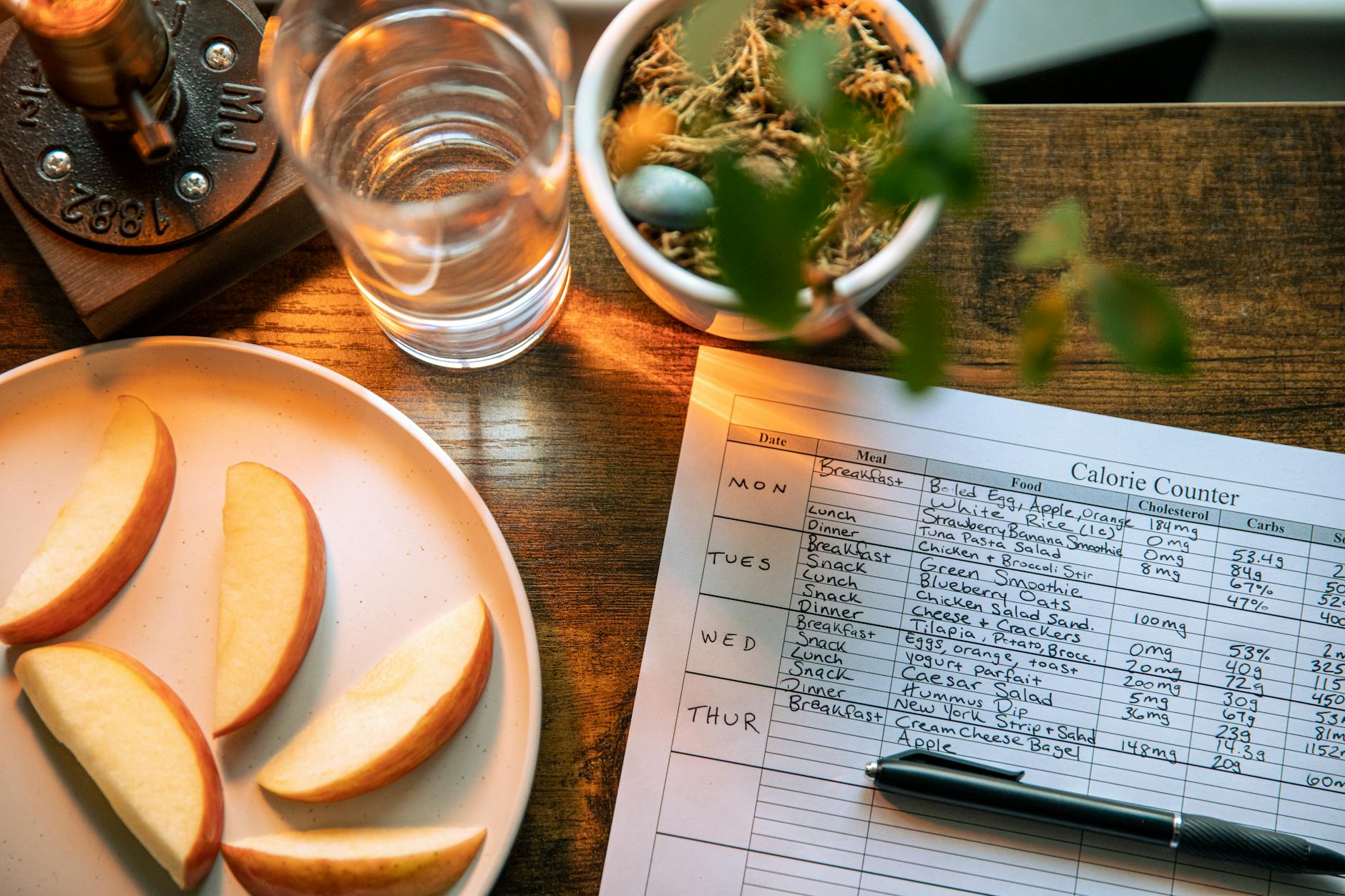
You have probably tracked your food before. You downloaded an app, logged everything for nine or ten days, felt briefly virtuous, and then one busy Tuesday you forgot lunch. The next day the log had a hole in it, the day after that you skipped it entirely, and within two weeks the app was just another icon you scroll past. That is not a willpower failure. That is the food tracker failing you.
Search "food tracker" in the App Store and you get hundreds of results, most of them variations on the same 2010s idea: a giant calorie database and a search bar. In 2026 that is no longer good enough. The best food tracker app is not the one with the most foods in its database. It is the one you will still be opening next month.
Why Most Food Trackers Get Abandoned
The numbers are not kind to the category. Most people who start a food tracker stop within two weeks, and the reasons are remarkably consistent. It is almost never that the math was wrong.
Logging Takes Too Long
The classic food tracker makes you tap your way through a search result, then a brand, then a portion size, then a confirmation - for every single item on your plate. A three-component dinner can mean a dozen taps and a minute of scrolling through 47 entries for "chicken." Do that three times a day and the friction quietly wins. If logging a meal takes longer than eating it felt worth, you will stop.
One Bad Day Ends the Streak
Most trackers are built around an unbroken chain. Miss a day and the app greets you with a gap, a broken streak, and a faint sense of having failed. Instead of making it easy to start again, it makes the empty boxes feel like a verdict. People do not quit because they ate badly. They quit because the app gave them no graceful way back.
It Only Counts Calories
A food tracker that reports a single number - calories - is answering a question almost nobody actually has. Two meals at 600 calories can be wildly different: one is grilled salmon, greens, and quinoa; the other is a pastry. If your tracker treats them as identical, it is not really tracking your food. It is tracking arithmetic.
People do not abandon food trackers because they lack discipline. They abandon them because the app is slow to use, punishing after a slip, and shallow about what it measures. Fix those three things and tracking sticks.
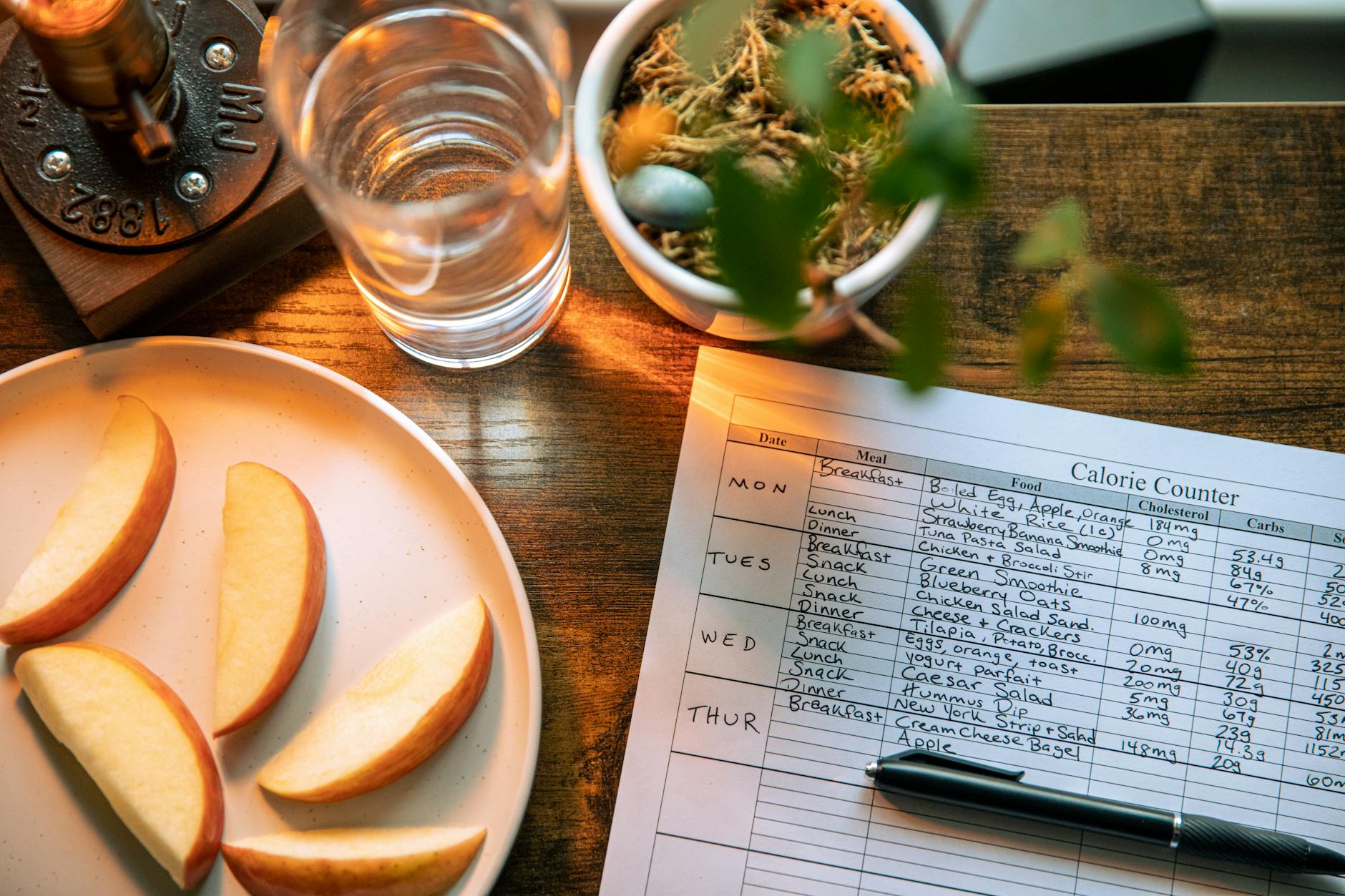
What the Best Food Tracker App Does in 2026
A modern food tracker should be judged on whether you can sustain it, not on the size of its database. Here is the checklist that actually matters.
Logs a Meal in Under 10 Seconds
This is the whole game. The best food tracker app in 2026 lets you capture a meal by snapping a photo, speaking a sentence, typing a few words, or scanning a barcode - and then it does the work. HealthyOne uses all four methods with an AI engine that identifies the food and fills in the nutrition automatically. No database hunt, no portion guessing. When logging is genuinely fast, the habit survives a busy week.
Tracks Nutrients, Not Just Calories
A real food tracker tells you what was in the food. HealthyOne tracks protein, fiber, and 50-plus micronutrients on every meal, and flags the gaps - low magnesium, not enough protein, missing B12 - before they turn into how-you-feel problems. Calories are there too, but as one number among many, not the only one.
Gives You a Way Back After a Bad Day
HealthyOne was built as a "get back on track" system, and that shows up most after you slip. Miss a day, and the app does not shame you with a broken streak - it makes restarting a one-tap action. The core promise is that you never have to start your health over from scratch, because the app is designed around recovery rather than perfection.
Turns the Habit Into Something You Want to Do
Tracking is repetitive by nature, so the best apps make the repetition rewarding. HealthyOne rolls your logging and nutrition quality into a single Power Score, adds avatar progression as you stay consistent, and squad gamification so you are not doing it alone. One honest number and a bit of momentum beat six dashboards nobody reads.
Connects to the Rest of Your Health Data
A food tracker should not be an island. HealthyOne syncs with Apple Health and Google Health Connect, so weight, workouts, and heart data flow in automatically and your meals sit in context. There is also a fasting tracker and heart health dashboard built in, so your eating window and your food data finally live in the same place.
Where the Popular Food Trackers Fall Short
The default choices are popular because they are competent. But each one leaves a real gap:
- MyFitnessPal has the biggest food database in the business - and a slow, tap-heavy search bar to match. It tracks calories well but the logging friction is exactly what kills consistency for most people.
- Lose It! is cleaner than MyFitnessPal and handles weight nicely, but it still assumes manual entry and stays focused on calories rather than the full nutrient picture.
- Noom is a psychology-coaching program with a food log attached. Useful for some, but it is built to lecture you, not to be a fast, low-friction tracker you reach for at every meal.
- Cronometer is the deepest micronutrient tool available, and that depth comes with the most tedious manual entry of the bunch - great for data lovers, punishing for everyone else.
None of these are bad apps. They are just built around the old idea of a food tracker - a database you type into - rather than a fast, forgiving system you can actually keep up.
The Bottom Line
The best food tracker app in 2026 is not the one with the most foods or the prettiest charts. It is the one that survives contact with a real week: fast enough to use when you are busy, kind enough to use after you slip, and deep enough to tell you something true about your food.
If your last food tracker ended up as a dead icon on your home screen, the app was the problem, not you. Pick one that logs in ten seconds, forgives a bad day, and shows you more than a calorie count - and tracking finally becomes something you do, not something you quit.
A food tracker you will actually keep using
Log any meal by photo, voice, text, or barcode in about 10 seconds. 50+ nutrients, a fasting tracker, and an easy way back after a bad day. 7-day free trial, then $7.99/month.
Try HealthyOne Free