The Best AI Grocery List App in 2026 (That Builds Itself From Your Meal Plan)
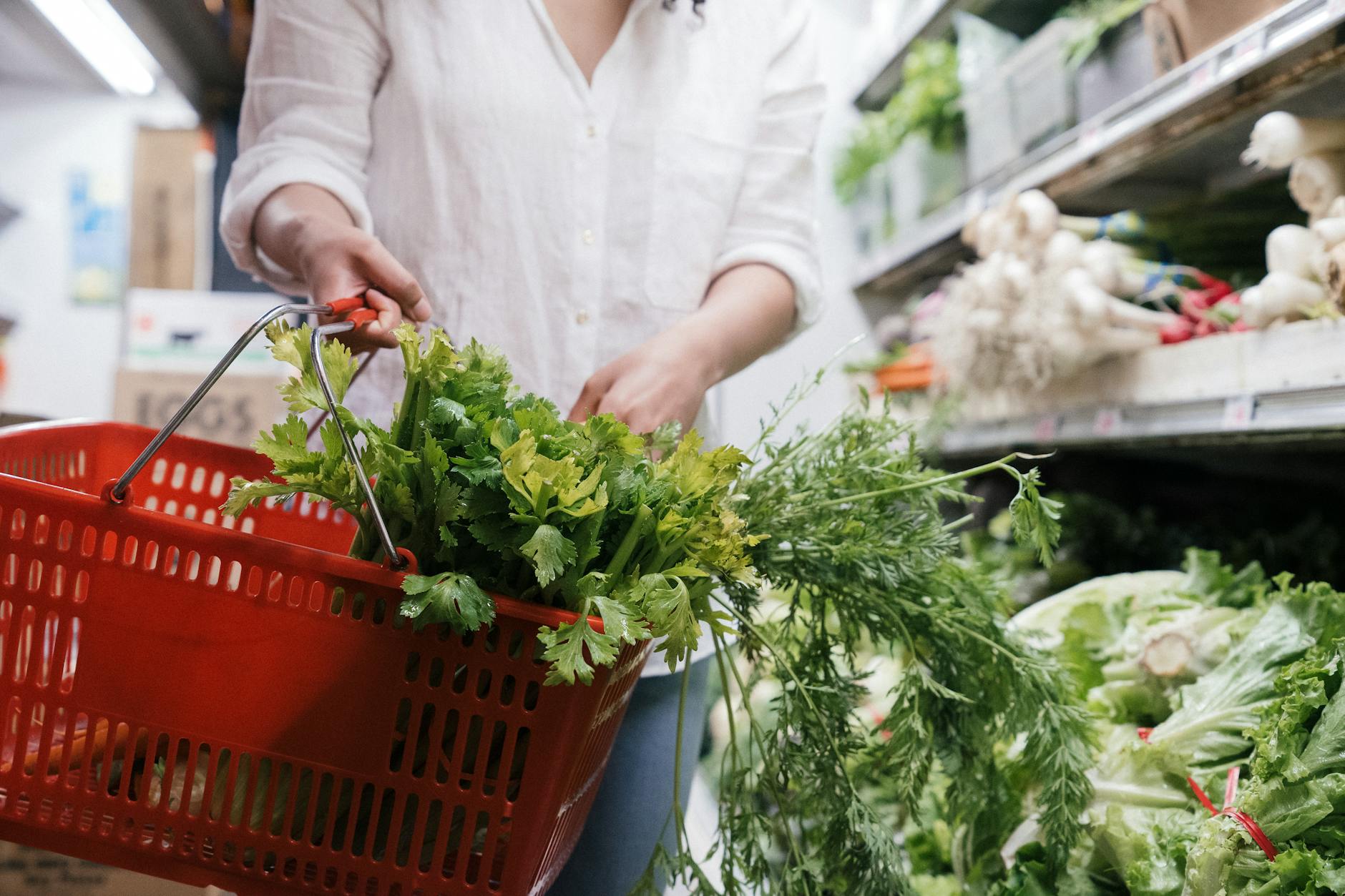
You stand in the produce aisle on Sunday afternoon, holding a phone with three half-finished grocery list apps. AnyList from last year, Notes app with crossed-out lines from two weeks ago, and a screenshot of a Pinterest meal plan you forgot you saved. You buy cilantro again. You already have cilantro. The cilantro will rot.
This is the grocery list problem in 2026, and almost none of the popular apps actually solve it. They give you a checklist and call it innovation. A real grocery list app should know what you're cooking, know what you already own, sort itself by aisle, and quietly connect the food you buy to the nutrition you're trying to hit. That's it. Anything less is a notepad with categories.
What a Grocery List App Should Actually Do in 2026
Forget the feature spec sheet. Here's the short list of things a grocery list app needs to do before it earns space on your phone.
1. Auto-Build From Your Meal Plan
If you're planning meals — even loosely — your grocery list should write itself. You pick four dinners and a couple of breakfasts for the week, and the app produces a deduplicated, quantified list. No more typing "chicken thighs" three times because three recipes use them. No more guessing whether 2 lbs is enough. The grocery list is a downstream artifact of the meal plan, not a separate document.
2. Sort by Aisle, Not by Recipe
Recipes are organized by dish. Stores are organized by physical layout. A grocery list that hands you "salmon, basil, lemon, garlic, pasta, rice, sweet potato, butter, eggs" in random order makes you walk the store like a confused tourist. A real list groups by produce, dairy, protein, pantry, frozen — and lets you reorder once based on your usual store and remember it forever.
3. Know What You Already Have
The cilantro problem. The third bottle of soy sauce problem. The "I have six cans of black beans" problem. A grocery list app worth keeping should let you mark pantry staples and warn you before you buy duplicates. Bonus points if it learns your refresh cadence — olive oil every 8 weeks, cumin every 6 months — and stops nagging you about the things that don't need restocking.
4. Connect to Nutrition
This is where 99% of grocery list apps fall off a cliff. AnyList, Bring!, OurGroceries — they treat groceries as text. They don't know that the chicken breast in your cart is 31g of protein per 4oz, or that the granola you almost bought has 14g of added sugar per serving. A grocery list app in 2026 should pull nutrition data on every item and let you see, before checkout, what kind of week you're actually buying.
5. Sync Across the People Who Actually Shop
One person plans, another person shops, sometimes a third person grabs takeout halfway through. The list has to be live across phones, no friction, no "did you save it?" Real-time sync, no account-juggling, no premium upsell to share with a partner.
The grocery list isn't the goal. Eating well during the week is the goal. A grocery list app that doesn't connect to what you'll actually cook and eat is just a checklist with a logo.
Why Most Popular Grocery List Apps Aren't Enough
The household names have been around for a decade and most of them haven't fundamentally changed since 2018. Here's the honest read.
- AnyList is the gold standard for pure list-making — fast, sharable, smart categorization. But it's a list. It doesn't plan your meals, doesn't track nutrition, doesn't know whether your week skews 60g protein or 160g.
- Bring! has the prettiest UI and great visual aisle sorting. Same ceiling — list app, not a nutrition system. You still have to do the meal-plan-to-list conversion in your head.
- OurGroceries is the family-shared workhorse. Reliable. Aging. No AI, no nutrition layer, no pantry intelligence.
- Mealime and Paprika generate lists from recipes — better than the pure-list apps — but they're recipe-centric. They don't know what you ate, they don't track macros over time, and they treat the list as an end product instead of a tool.
- Notes app or paper is what most people actually use. Honest. Fast to write. Forgets the pantry, forgets the nutrition, forgets last week's plan.
If your grocery list app doesn't talk to your nutrition app, you have two systems duplicating effort. That's the gap most of these tools leave wide open.
How HealthyOne Handles Groceries Differently
HealthyOne started as an AI nutrition tracker, but groceries kept showing up in the data — people would log a great Tuesday and then crash on Wednesday because the fridge was empty. So we built grocery lists into the system instead of bolting them on.
Lists Build From Recipe Discovery
Pick recipes from inside the app and the ingredients flow straight into a grocery list. Quantities are deduplicated, units are normalized, and the list is sorted by aisle automatically. You go from "I need to figure out dinner" to "shopping list ready" in under a minute.
Nutrition Math Up Front
Because every item in the list is tied to the same nutrition database powering meal logging, you can see what your cart will actually cook into. If your week is light on protein, the app flags it before you check out — not three days later when you're behind on your target.
Voice and Photo Input Carry Over
The same AI meal logging engine — voice, photo, text, barcode — works on the grocery side. Snap a picture of a hand-written list, dictate "add three sweet potatoes and a bag of frozen broccoli," and it parses it into structured items.
Hooks Into Apple Health and Google Health Connect
Your nutrient gaps from last week feed into next week's recipe suggestions, which feed into the grocery list. The loop closes. Low magnesium last week? You'll see pumpkin seeds and dark leafy greens nudged into your recipe options.
Squad and Family Sharing
If your spouse, roommate, or accountability squad uses HealthyOne, the list shares natively. No second app, no extra account, no premium gate on the share button.
The Bottom Line
Your grocery list isn't a productivity problem. It's a nutrition problem in disguise. The reason your week falls apart on Wednesday isn't that you forgot to write something down — it's that the list, the meal plan, and the tracking are three separate systems that never talk to each other.
The best grocery list app in 2026 is the one that disappears into a larger system — meal planning, nutrition tracking, pantry awareness, recipe discovery — and quietly builds itself in the background. Stop maintaining a list. Start running a kitchen.
The grocery list app that builds itself
AI meal logging, recipe discovery, auto-built grocery lists, and 50+ nutrient tracking in one app. 7-day free trial, then $7.99/month.
Try HealthyOne Free