The GLP-1 Grocery List: What to Actually Put in Your Cart in 2026
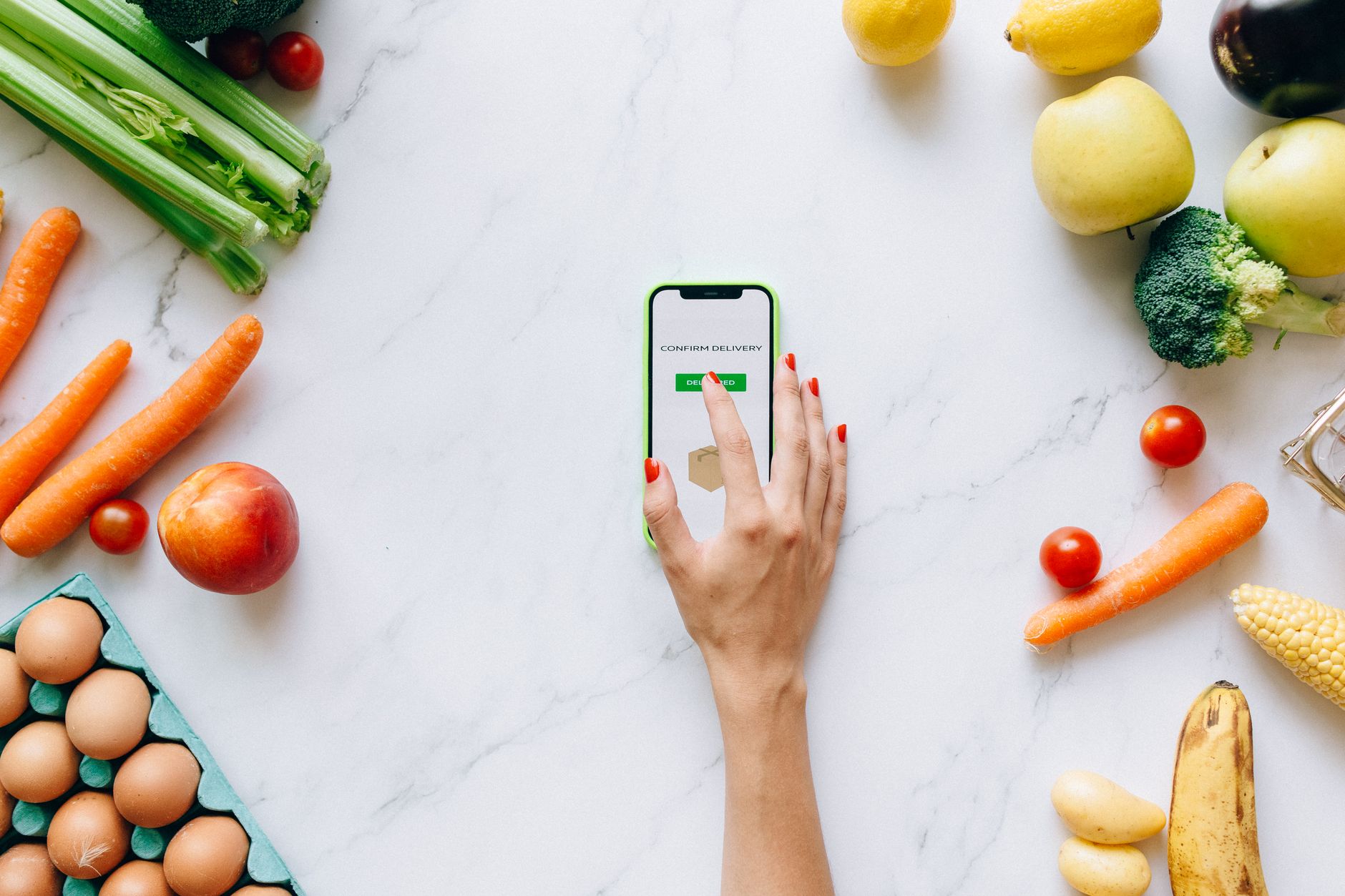
You're standing in the grocery store on Ozempic, Wegovy, Mounjaro, or Zepbound, and your usual cart suddenly makes no sense. Half of it sounds nauseating. The other half you'll never finish before it spoils, because you can barely get through a few hundred calories a day. So you grab a sad rotisserie chicken and leave, and by Thursday you're nauseous again with nothing good in the fridge.
Here's the reframe that fixes the whole trip: on a GLP-1, the grocery list isn't about buying less food. The drug already cut your appetite. The job now is to make sure the small amount you do eat is pulling maximum weight — protein first, then fiber and hydration, then the easy-digest staples that won't leave you on the couch feeling sick. Buy for that, and the week takes care of itself.
Why a GLP-1 Grocery List Is Different
A normal grocery list assumes a normal appetite and three full meals a day. On a GLP-1, food empties from your stomach slowly and you fill up after a few bites, so two things flip. First, volume becomes the enemy — big raw salads and giant portions take up stomach space you can't spare. Second, every item has to earn its place, because if you only manage 600 calories today, the wrong 600 can cost you muscle, energy, and an evening to nausea. The cart, not the willpower, is where you win or lose the week.
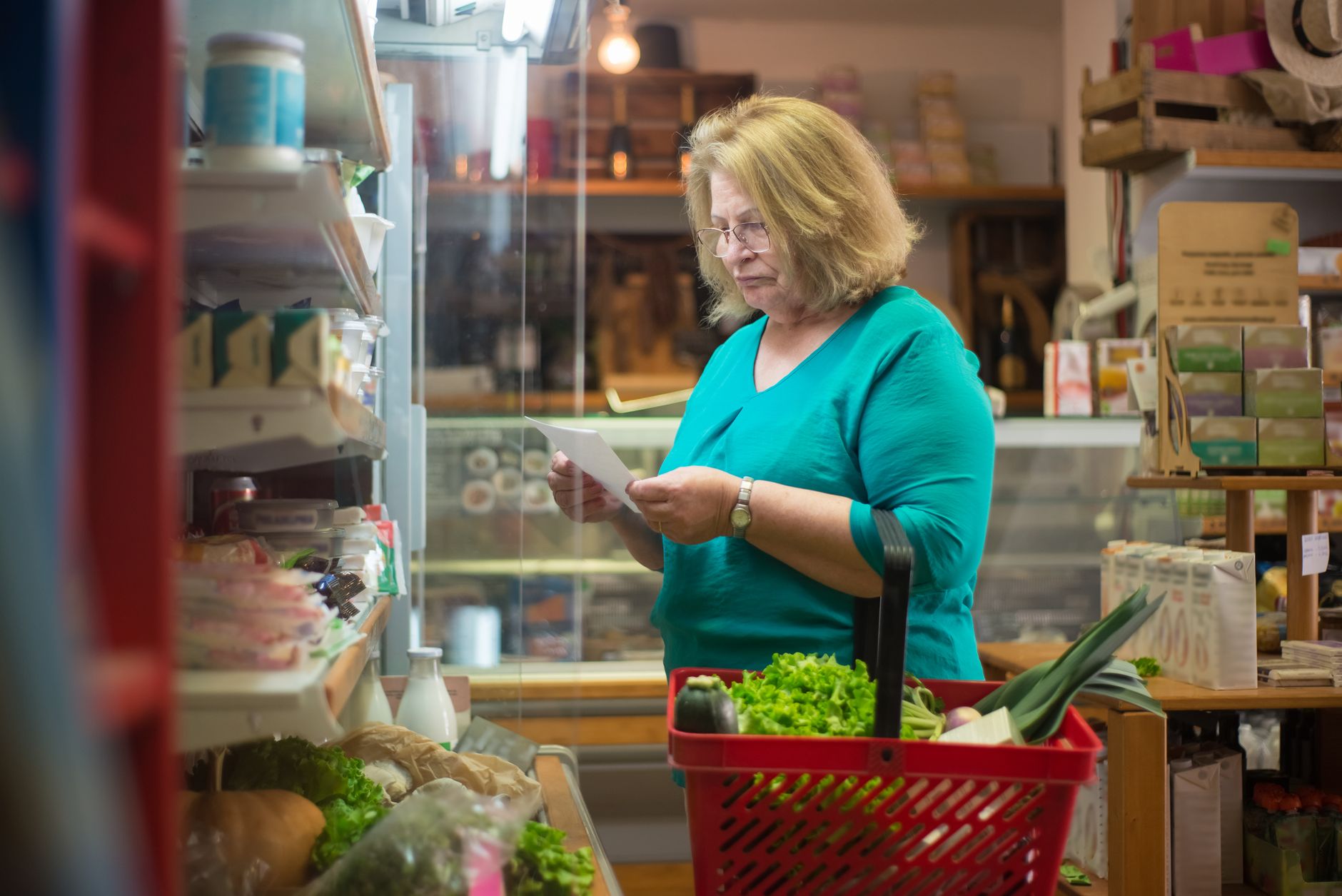
The GLP-1 Grocery List: What to Buy
Shop in this order of priority. If you have to cut the trip short, the items higher on the list matter more than the ones below them.
1. Protein — The Center of the Cart
This is the non-negotiable aisle. During rapid GLP-1 weight loss, a large share of what you lose can come from lean muscle if your protein is low, and clinicians generally target 25-30 grams per meal. Because your appetite is small, buy concentrated, easy-to-eat protein, not just big slabs of meat. Stock up on:
- Eggs and liquid egg whites
- Greek yogurt and cottage cheese
- Pre-cooked or rotisserie chicken, sliced turkey, lean ground turkey
- Canned tuna, salmon, sardines, and frozen shrimp or white fish
- Tofu, edamame, and canned beans or lentils
- Ready-to-drink protein shakes and a tub of protein powder for the days nothing solid sounds good
2. Fiber — The Side-Effect Insurance
Constipation is one of the most common GLP-1 complaints, and fiber is the cheapest fix you can put in your cart. It also keeps you full and steadies blood sugar. Reach for berries, apples, oats, chia seeds, ground flax, beans, and softer cooked vegetables. If whole foods alone aren't cutting it, a plain fiber supplement covers the gap.
3. Easy-Digest Carbs and Cooked Vegetables
You still need some carbohydrate for energy, but heavy, greasy, or raw-and-bulky options sit like a brick. Buy oats, white or sweet potatoes, rice, ripe bananas, and whole-grain crackers, plus vegetables you'll cook rather than eat raw: zucchini, spinach, carrots, squash, and green beans. Cooked and soft means more nutrition in less stomach space.
4. Hydration and Electrolytes
Eating and drinking less makes dehydration and the "GLP-1 fatigue" worse. Add water-rich foods like cucumber, watermelon, and broth-based soups, and grab a sugar-free electrolyte mix to keep energy and lightheadedness in check.
The one rule that decides every GLP-1 grocery run: fill the protein items first, before anything else goes in the cart. Whatever you buy and eat first is what your shrunken appetite actually absorbs — so lead with eggs, yogurt, and chicken, not crackers and snacks.
The Skip Aisle
Leave these out, or at least off the dose-increase-week list — they're the usual suspects behind nausea and wasted appetite: fried and very greasy foods, sugary drinks and desserts, carbonated beverages that bloat an already-slow stomach, and big bags of refined-carb snacks that fill your tiny window with almost no protein.
Why the Printed List Always Fails
Myth: the right grocery list is all you need. Reality: a list is a snapshot, and a GLP-1 body is a moving target. A printed list can't tell you whether you actually hit your protein today, whether last Tuesday's meal is why you felt sick, or whether your magnesium and B12 are quietly slipping as your portions shrink. That's the exact gap the old apps leave wide open. MyFitnessPal was built to count calories down, not push protein up. Lose It! still assumes three square meals. Noom is a willpower program for an appetite the drug already handled. None of them was built for the tiny-portion, protein-first reality you're shopping for.
How HealthyOne Turns the Cart Into a System
HealthyOne was designed for this exact problem — a "get back on track" system instead of a calorie counter. Here's how it connects your grocery list to what actually happens during the week.
10-Second AI Meal Logging
When energy is low, logging has to be effortless. Snap a photo, say "two eggs and a few bites of oatmeal," scan a barcode, or type it — the AI calculates 50+ nutrients automatically. No database hunting, no portion math.
Protein-First Dashboard
Protein is the hero number on your home screen, not buried under calories. The app sets your target and celebrates when you hit it, even on a low-calorie day — the opposite of an app that nags you for eating too little.
Micronutrient Gap Tracking
Smaller portions can quietly drop magnesium, B12, and iron. HealthyOne tracks 50+ nutrients and flags the gaps early, so the next grocery run can patch them before they become symptoms.
Recipes and Grocery Lists Built In
Recipe discovery surfaces high-protein, GLP-1-friendly meals and turns them straight into a grocery list — so next week's cart is already aligned with the foods above instead of guessed at in the aisle.
FAQ
How much protein should I buy for on a GLP-1?
Plan your list around hitting roughly 25-30 grams of protein per meal, which for most people works out to about 0.7-1 gram per pound of goal body weight per day. Because appetite is small, stock concentrated, easy-to-eat sources: eggs, Greek yogurt, cottage cheese, chicken, white fish, and ready-to-drink shakes for the days solid food is hard.
What foods should I leave out of the cart on a GLP-1?
Skip the items that trigger nausea or fill your small appetite window with little nutrition: fried and very greasy foods, sugary drinks and desserts, carbonated beverages, and large amounts of refined carbs like white bread and pastries. They're not banned forever, but on dose-increase weeks especially they're the most common reason people feel sick.
Do I need special GLP-1 products or supplements from the store?
No. Everyday staples cover most of it — lean protein, cooked vegetables, fruit, whole grains, and water. A few cheap add-ons help with common side effects, like a fiber supplement for constipation and an electrolyte mix for fatigue, but you don't need expensive specialty foods to eat well on a GLP-1.
Considering a GLP-1? Talk to a licensed clinician online.
ShedRx pairs you with a licensed clinician for semaglutide or tirzepatide weight-loss treatment, plus health coaching and supplements — all shipped to your door. Available in all 50 states.
Start your ShedRx visit →Want to compare options? See bmiMD personalized GLP-1 telehealth →
This section contains affiliate links. HealthyOne may earn a commission if you sign up through them, at no extra cost to you. HealthyOne is not a medical provider; these are independent telehealth companies. Always consult a licensed clinician.
As an Amazon Associate, HealthyOne earns from qualifying purchases. Links on this page may earn us a small commission at no extra cost to you. We only suggest products we believe are genuinely useful.
Helpful for this:
- Whey protein powder — an easy way to hit daily protein targets when appetite is low.
- Psyllium husk fiber — helps with the constipation many GLP-1 users experience.
- Meal-prep containers — supports small, protein-forward meals and grocery-list planning.
The food tracker built for GLP-1 portions
Protein-first dashboard. 10-second photo, voice, and barcode logging. 50+ nutrient tracking and GLP-1 support. 7-day free trial, then $7.99/month.
Try HealthyOne Free