GLP-1 and Muscle Loss: How to Keep Muscle on Ozempic, Wegovy, and Mounjaro (2026)
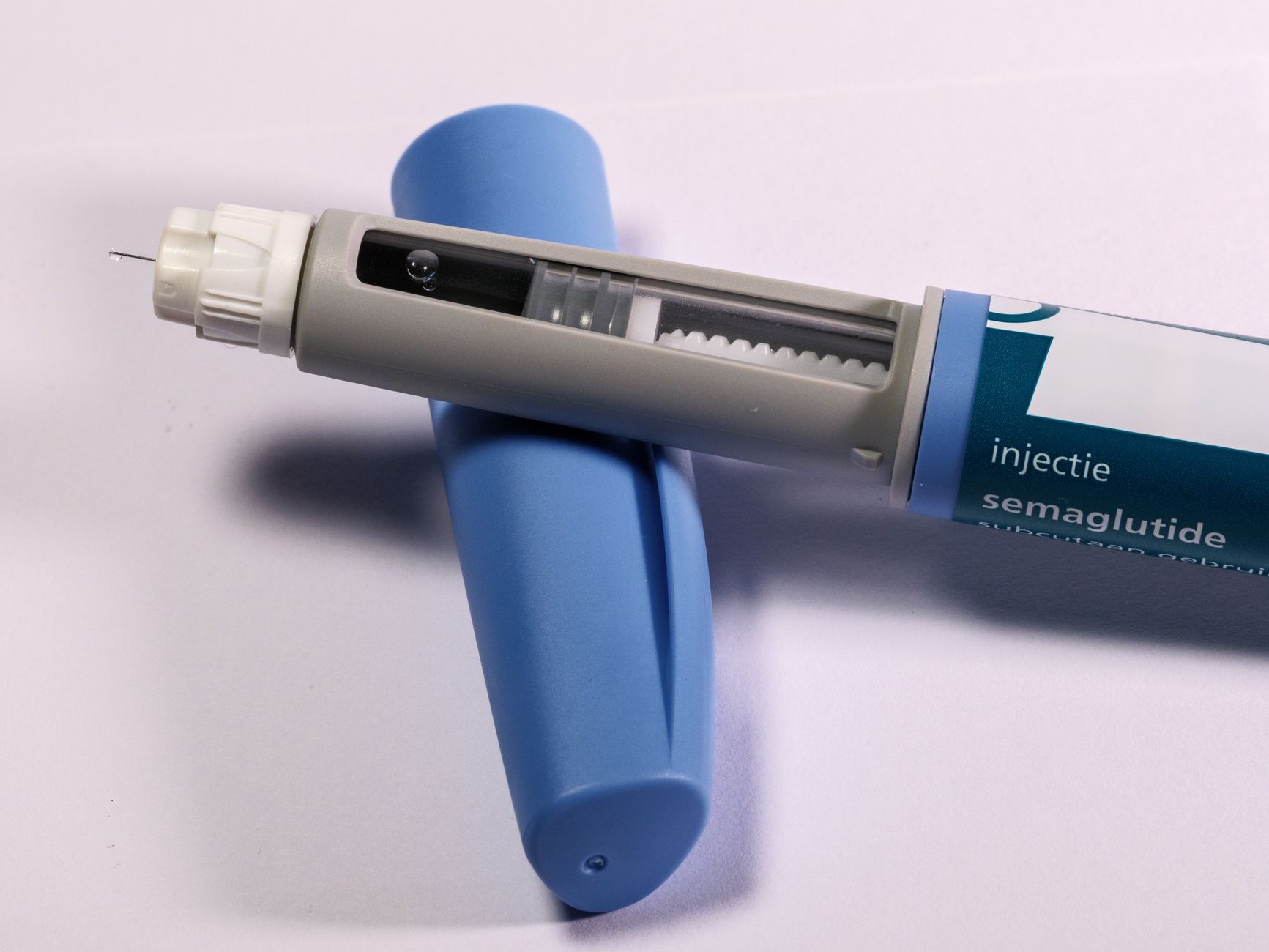
The scale is finally moving. You're down two jean sizes, your bloodwork looks better, and the medication is doing exactly what it promised. Then you catch yourself in the mirror and notice your arms look thinner, the stairs feel a little harder, and a friend asks if you're "okay" in a way that doesn't feel like a compliment. That's the quiet trade-off nobody warns you about: on a GLP-1, some of the weight coming off isn't fat. It's muscle.
Here's the good news up front. Muscle loss on Ozempic, Wegovy, Mounjaro, and Zepbound is not inevitable, and it's not the drug sabotaging you. It's a predictable side of rapid weight loss, and it responds to two specific, boring, effective levers. This is how to lose the fat and keep the muscle.
Why GLP-1 Medications Put Muscle at Risk
Myth: Ozempic "eats your muscle." Reality: The drug doesn't touch your muscle at all. What it does is shrink your appetite so effectively that you slide into a deep calorie deficit almost effortlessly. When your body needs energy and you're not eating enough — especially not enough protein — it breaks down whatever it can, and muscle is on the menu alongside fat. Any rapid weight loss does this, whether it comes from a GLP-1, a crash diet, or bariatric surgery. The medication just makes the under-eating so easy that the deficit is steeper and the muscle risk is higher.
There's a second factor people miss: appetite suppression flattens protein intake first. Protein is filling and often the food you skip when you're not hungry. So the exact nutrient your muscles depend on is the one that quietly disappears from your plate.
How Much Muscle Are You Actually Losing?
Research on rapid weight loss, including weight loss on GLP-1 medications, consistently finds that a meaningful share of the total — often cited in the range of a quarter to a third — is lean mass rather than fat. That's broadly in line with other fast weight-loss methods, but it's a lot of muscle when you're dropping 30, 40, or 50 pounds. Lose 40 pounds and walk away 10 to 15 pounds lighter in muscle, and you've changed your metabolism, your strength, and how easily you'll regain fat if you ever stop the medication.
Muscle is metabolically expensive — it burns calories at rest. Lose it during weight loss and your maintenance calories drop, which is a big reason weight comes roaring back after people stop a GLP-1. Protecting muscle now is protecting your future maintenance.
The Two Levers That Protect Muscle
You can't change how the medication works, and you shouldn't want to. But you fully control the two things that decide whether you keep your muscle: what you eat and how you move.
Lever One: Protein, Relentlessly
Protein is the raw material your body uses to maintain muscle, and in a deficit it becomes non-negotiable. A widely used target is roughly 0.7 to 1 gram per pound of goal or lean body weight, spread across the day rather than crammed into one meal. On a suppressed appetite that is genuinely hard — which is the whole problem. Practical moves that work: eat protein first at every meal, lean on easy sources like Greek yogurt, eggs, cottage cheese, chicken, and fish, and use a shake on days when chewing a chicken breast feels impossible. If you hit nothing else, hit your protein.
Lever Two: Resistance Training
Protein gives your body the bricks; resistance training is the signal that tells it to build the wall instead of demolishing it. Lifting weights, resistance bands, or even bodyweight movements two to three times a week tells your body that the muscle is needed and shouldn't be broken down for fuel. Cardio is great for your heart but does almost nothing here — you can run every day and still lose muscle. If you're new to it, start with two short full-body sessions a week and progress slowly. The point isn't to become a bodybuilder; it's to give your muscle a reason to stick around.
The Trap: You Can't Manage What You Can't See
Here's where most people lose the plot. You can't protect protein you're not measuring, and "I think I ate enough protein" is almost always wrong on a GLP-1, because a suppressed appetite quietly drags your intake down without you noticing. You feel like you ate normally. The numbers say you hit 45 grams when you needed 120.
This is the gap most nutrition apps were never built to close. MyFitnessPal and Lose It! are calorie counters at heart — they obsess over the total and treat protein as an afterthought. Noom is a psychology coaching program. Cronometer tracks micronutrients beautifully but assumes you'll do the heavy lifting of logging every gram by hand, which nobody on a low appetite keeps up for long. None of them were designed for a body whose central challenge is eating enough of the right thing while barely hungry.
How HealthyOne Helps You Keep Muscle
We built HealthyOne as a "get back on track" system, and GLP-1 users were one of the first groups we designed it around. Here's what matters when muscle is on the line.
Protein-First, Not Calorie-First
On most apps, calories are the hero number and protein is buried three taps deep. HealthyOne flips that: protein is front and center on your dashboard, and you get credit for hitting your protein target even on days when your total intake is low. On a rough, barely-ate kind of day, you can still glance at your phone and know whether you protected your muscle.
10-Second Logging So You Actually Do It
The best tracker is the one you don't abandon. HealthyOne lets you snap a photo, say it out loud, type it, or scan a barcode, and the AI calculates 50+ nutrients — including protein — automatically. No database scrolling, no manual gram entry. Low effort is the entire point, because a log you'll keep beats a perfect log you quit by day four.
Power Score, Squads, and Avatar Progression
Resistance training only works if you keep showing up. HealthyOne turns consistency into a Power Score, squad gamification, and an avatar that levels up as you hit your targets — small hooks that make "did my protein and my workout" a streak worth protecting instead of a chore.
The Full Picture: Micronutrients and Heart Health
Eating much less for months can quietly open nutrient gaps, and rapid weight loss puts demands on your heart. HealthyOne tracks 50+ micronutrients and flags shortfalls, and its heart health dashboard keeps the big picture in view while you focus on protein and training. Sync it with Apple Health or Google Health Connect and it folds your activity in too.
FAQ
Does Ozempic or Wegovy directly cause muscle loss?
Not directly. GLP-1 medications don't attack muscle. The muscle loss comes from rapid weight loss in a steep calorie and protein deficit — any fast weight loss costs some lean mass. The drug's job is to shrink your appetite, which makes hitting enough protein the hard part. Protect protein intake and train, and you keep most of your muscle.
How much protein should I eat on a GLP-1 to protect muscle?
A common target is roughly 0.7 to 1 gram of protein per pound of goal or lean body weight, spread across the day. On a suppressed appetite that's genuinely hard, which is why front-loading protein earlier in the day and using shakes when solid food feels like too much both help. The exact number is individual — your clinician can refine it.
Will cardio protect my muscle on a GLP-1?
Cardio is good for your heart but does little to preserve muscle. Resistance training — lifting weights, bands, or bodyweight movements two to three times a week — is the signal that tells your body to hold onto lean tissue during weight loss. Protein plus resistance training is the combination that works.
The Bottom Line
Muscle loss on a GLP-1 is an engineering problem, not a willpower problem. The medication makes under-eating effortless, and under-eating in a deficit is what costs you muscle. Push protein relentlessly, lift something heavy a couple of times a week, and measure your protein instead of guessing — and the weight you lose will be the weight you wanted to lose. This article is general education, not medical advice; your clinician knows your situation. Keep the muscle, and you keep the metabolism, the strength, and the results that actually last.
Considering a GLP-1? Talk to a licensed clinician online.
ShedRx pairs you with a licensed clinician for semaglutide or tirzepatide weight-loss treatment, plus health coaching and supplements — all shipped to your door. Available in all 50 states.
Start your ShedRx visit →Want to compare options? See bmiMD personalized GLP-1 telehealth →
This section contains affiliate links. HealthyOne may earn a commission if you sign up through them, at no extra cost to you. HealthyOne is not a medical provider; these are independent telehealth companies. Always consult a licensed clinician.
As an Amazon Associate, HealthyOne earns from qualifying purchases. Links on this page may earn us a small commission at no extra cost to you. We only suggest products we believe are genuinely useful.
Helpful for protecting muscle on a GLP-1:
- Whey protein powder — an easy way to hit daily protein targets when your appetite is low.
- Ready-to-drink protein shakes — grab-and-go protein for days when solid food is hard.
- Collagen peptides — extra protein support for skin, joints, and muscle during weight loss.
The GLP-1 tracker that puts protein first
Protein-first dashboard, 10-second meal logging via photo, voice, text, or barcode, plus 50+ nutrients and a Power Score. 7-day free trial, then $7.99/month.
Try HealthyOne Free