How to Talk to a Doctor About GLP-1 in 2026 (Online, Without Insurance)
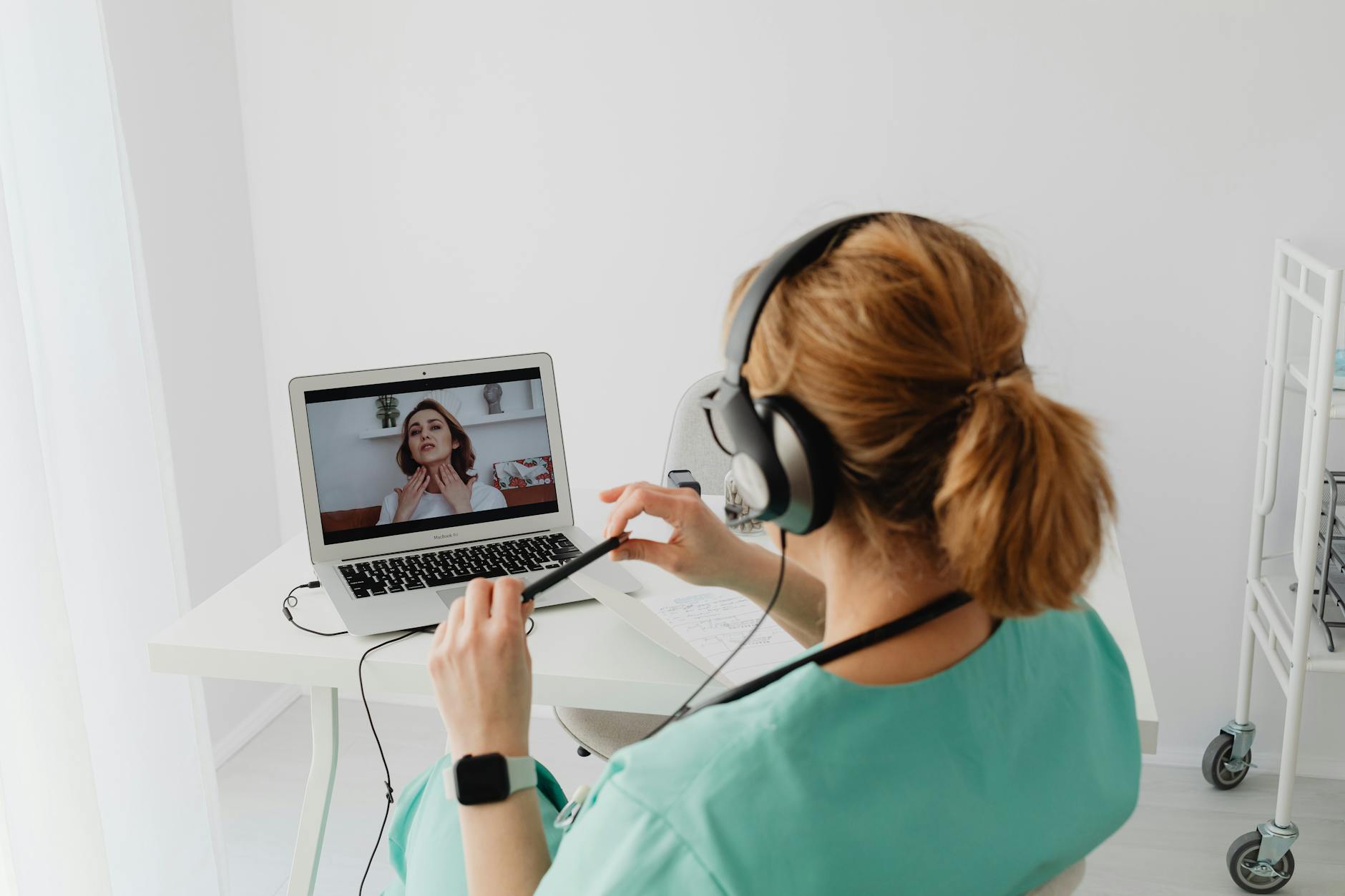
Two years ago, getting evaluated for Ozempic or Wegovy meant calling your primary care doctor, waiting six weeks for an appointment, getting the visit denied by insurance, and starting over. In 2026, you can do the whole thing in your kitchen in under twenty minutes — and most people who go this route never set foot in a doctor's office.
Here's what changed, what to expect at a modern GLP-1 telehealth visit, and how to figure out which provider is the right fit for you.
The 2026 Landscape, in Plain English
The major shift is regulatory. The DEA and most state medical boards now allow licensed physicians to evaluate, prescribe, and follow up on weight-loss medications entirely over telehealth — no in-person visit required, no prior relationship needed, no insurance contract. That has opened the door to a wave of telehealth companies that specialize in GLP-1 prescriptions.
These companies are not pharmacies and they don't sell the drug directly. They employ licensed doctors who do a clinical evaluation, and they coordinate the prescription with a partner pharmacy that mails the medication to your home. From your perspective, it's one website, one questionnaire, one charge.
The visits are shorter than a traditional clinic appointment — typically ten to twenty minutes — because the screening criteria are well-defined and the doctor isn't piecing together your entire medical history from scratch. They're answering a focused question: based on the data you've given them, are you a candidate for a GLP-1?

What a Doctor Will Actually Ask
If you've never done a telehealth visit, the questions can feel surprisingly clinical. Here's the rough shape of what comes up. Bringing the answers ready saves time and helps the doctor say "yes" faster.
1. Height, weight, and waist measurement
BMI is still the primary screening tool. Most providers require a BMI of 30+ for weight loss alone, or 27+ with a co-morbidity like prediabetes, high blood pressure, sleep apnea, or fatty liver. If you're below 27, expect the answer to be no — but most providers will explain alternatives.
2. Medical history
The doctor will ask about thyroid disease (especially medullary thyroid cancer or a family history of it), pancreatitis, gallbladder problems, kidney disease, and pregnancy. These are the absolute contraindications. Be honest — getting through screening on a lie is how people end up in the ER.
3. Current medications
Bring a list. Birth control, antidepressants, insulin, blood thinners — they all matter. GLP-1 medications slow digestion, which changes how other oral drugs absorb. Your doctor needs the full picture.
4. Weight loss history
"What have you tried, and what happened?" This is partly a screen and partly a coaching question. If you've never tried diet and exercise, expect to be asked to combine the medication with lifestyle changes — that's the standard of care.
5. Goals
Are you trying to lose 30 pounds for a wedding, or are you managing a chronic condition? Both are valid answers, but they shape the dose, the duration, and what success looks like. The clearer your answer, the better the doctor can match you to a medication.
The single most useful thing you can do before your visit: weigh yourself, measure your waist, and write down everything you take — prescriptions, OTC, and supplements. That alone makes the visit feel professional instead of improvised.
Which Medication You'll Likely Be Offered
In 2026, four medications dominate the conversation:
- Ozempic (semaglutide) — FDA-approved for type 2 diabetes. Used off-label for weight loss. Weekly injection.
- Wegovy (semaglutide, higher dose) — FDA-approved for chronic weight management. Same molecule as Ozempic, higher target dose. Weekly injection.
- Mounjaro (tirzepatide) — FDA-approved for type 2 diabetes. Hits both GLP-1 and GIP receptors, often producing more weight loss than semaglutide. Weekly injection.
- Zepbound (tirzepatide, weight-loss labeling) — Same molecule as Mounjaro, labeled for weight management.
Most telehealth providers will recommend one of these brand-name medications. Some also offer compounded GLP-1s — these are pharmacy-mixed versions of the same active ingredients, typically cheaper, but not FDA-approved as products. Compounded options exist legally because of the official FDA shortage list, and the FDA's position on them has been evolving. Ask the provider for their take and decide what you're comfortable with.

What It Costs Out of Pocket
Without insurance, brand-name GLP-1s cost $1,000 to $1,400 per month at retail pharmacies. Through a telehealth subscription model, you typically pay a monthly membership fee (around $99 to $149) plus the medication. Some providers bundle the medication into the membership; some charge separately. Compounded versions run $200 to $400 per month all-in.
If you have insurance, ask the telehealth provider to run a benefits check. Coverage is improving — by mid-2026, more employer plans cover GLP-1 for chronic weight management than for diabetes alone — but denials are still common for weight-only indications.
How to Pick a Provider
There are more than a dozen telehealth companies running this play now. The serious ones share a few traits: licensed physicians in every state they operate in, public pricing without hidden fees, and an ability to cancel without a long-term contract. The less-serious ones lean on aggressive marketing, hide prices behind a quiz, or push compounded medications they don't disclose are not FDA-approved.
For a side-by-side comparison of three providers worth considering, see our GLP-1 telehealth comparison page. We list them with the criteria above and skip the ones we wouldn't recommend to a family member.
After the Visit: What to Do in the First Two Weeks
If you're prescribed and the medication arrives, here's the practical playbook for the first month:
Start low, expect side effects
Almost every provider starts you at the lowest dose (0.25mg semaglutide or 2.5mg tirzepatide) for four weeks. Most people experience nausea, constipation, fatigue, or some combination during the first two weeks. It usually improves before the second injection. If it doesn't, message your provider.
Eat smaller, eat more protein
Your appetite will drop in week two. The risk is not eating enough — specifically, not eating enough protein. The biggest avoidable consequence of GLP-1 weight loss is muscle loss, which makes you tired, slows your metabolism, and undoes the work over time. Aim for 0.7 to 1.0 gram of protein per pound of lean body mass per day, every day, no matter how full you feel.
Track what you can
You don't need to log every calorie, but you do need a record of two things: how much protein you're hitting and how you're feeling. That's exactly what HealthyOne is built for on GLP-1 — voice or photo logging takes about ten seconds per meal, and a one-tap side-effect log surfaces patterns over weeks.
Weigh yourself once a week, not every day
Daily weight fluctuates 2 to 5 pounds for water alone. Weekly weights tell you the trend; daily weights make you crazy.
The Bottom Line
Getting evaluated for GLP-1 is easier in 2026 than at any point before. The telehealth visit is short, the pricing is transparent, and the medication shows up at your door. The harder work is everything that follows: protein, hydration, side-effect management, and consistency. The drug handles your appetite. You handle the rest.
If you're considering it, the next step is a fifteen-minute online visit. Compare three vetted providers here. And if you're already prescribed, HealthyOne is the tracker that's actually built for the new normal — protein-first, side-effect aware, ten seconds per meal.
Considering a GLP-1? Talk to a licensed clinician online.
ShedRx pairs you with a licensed clinician for semaglutide or tirzepatide weight-loss treatment, plus health coaching and supplements — all shipped to your door. Available in all 50 states.
Start your ShedRx visit →Want to compare options? See bmiMD personalized GLP-1 telehealth →
This section contains affiliate links. HealthyOne may earn a commission if you sign up through them, at no extra cost to you. HealthyOne is not a medical provider; these are independent telehealth companies. Always consult a licensed clinician.
Already on a GLP-1? Track what matters.
Protein-first dashboard, side-effect logging, voice meal logging. 7-day free trial, then $7.99/month.
Try HealthyOne Free