The Ozempic Food List: What to Eat (and Avoid) on a GLP-1 in 2026
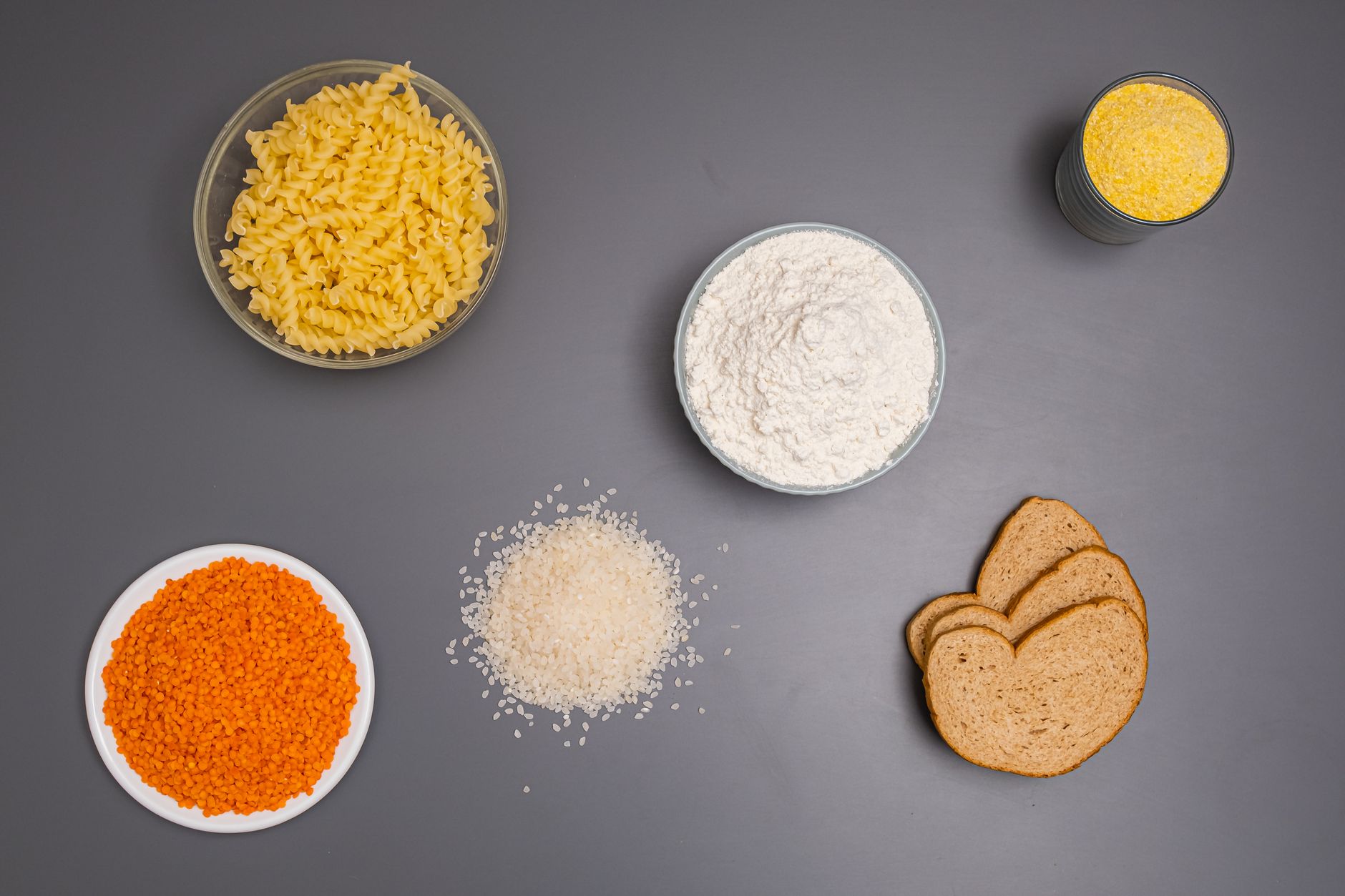
You started Ozempic, your appetite vanished, and now you're staring at the fridge with one question: what am I actually supposed to eat? When you can only manage a few hundred calories a day, every bite has to count — and the wrong bite can leave you nauseous for the next six hours.
That's why a real Ozempic food list isn't about restriction. It's about priority. With a tiny appetite, the goal flips: instead of eating less, you need to make sure the little you eat is doing the most work — protein first, nutrients second, and nothing that triggers the queasiness GLP-1 users know too well.
Why You Need an Ozempic Food List (Not a Diet)
A diet tells you to eat less. Ozempic already handles that. The problem GLP-1 users face is the opposite of most dieters: getting enough of the right stuff into a stomach that fills up after a few bites. Skip the protein and you lose muscle. Eat the wrong fats and you spend the evening on the couch feeling sick. A food list solves a specific problem — what goes in the small window of appetite you actually have.
The Ozempic Food List: What to Eat
Build every meal around this order. If you only have room for one thing, make it the first one.
1. Lean Protein, Every Single Meal
Protein is the non-negotiable. During rapid GLP-1 weight loss, as much as 25-40% of the weight you lose can come from lean muscle if you're not deliberate. Prioritize: grilled or shredded chicken, turkey, eggs and egg whites, Greek yogurt, cottage cheese, white fish, shrimp, tofu, and low-sugar protein shakes for the days nothing sounds good. Aim to hit your protein target before you touch anything else on the plate.
2. Easy-to-Digest Carbs
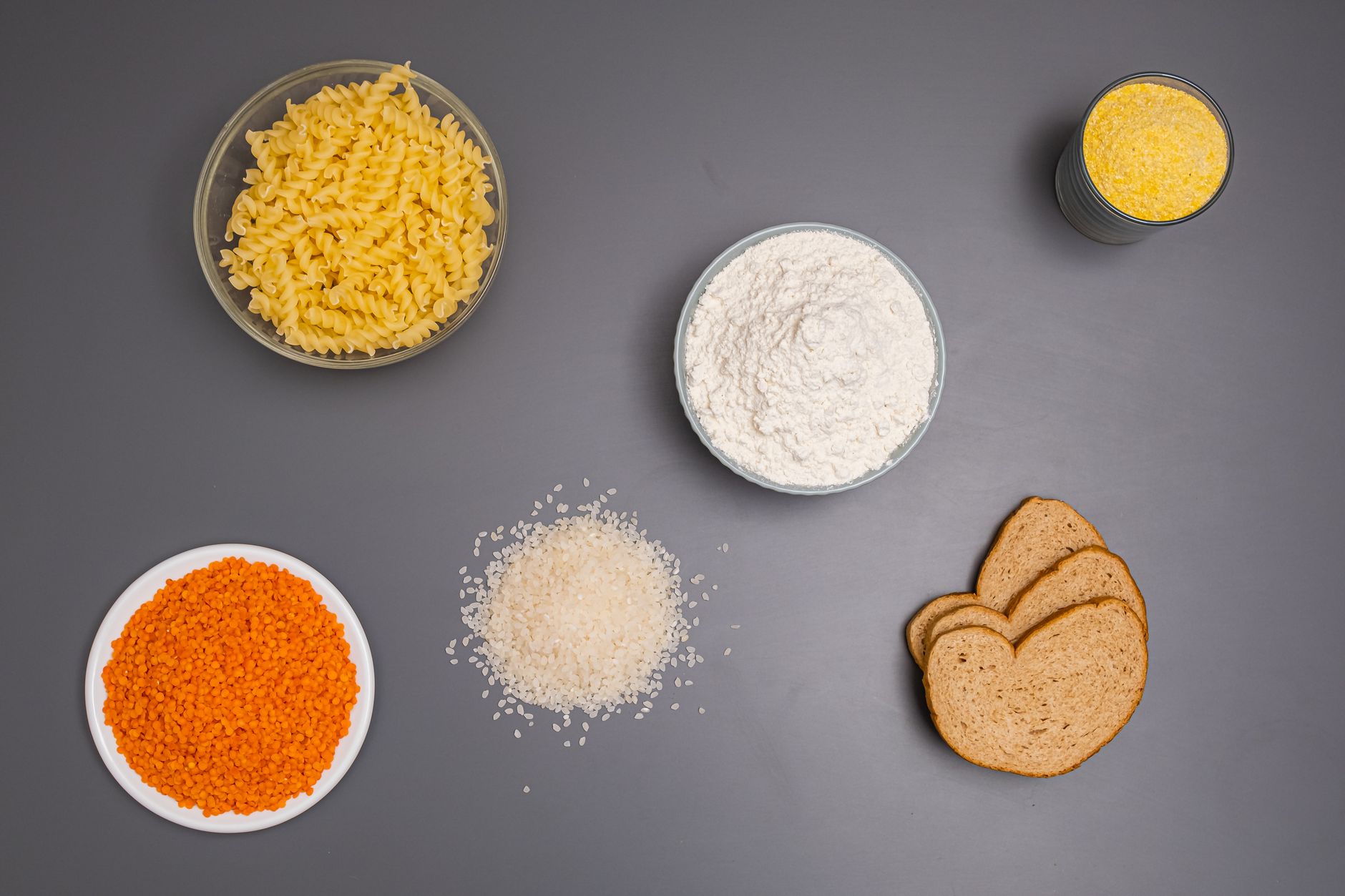
You need some carbohydrate for energy, but heavy, greasy, or fried carbs sit like a brick. Go for oats, white or sweet potato, white rice, ripe bananas, berries, and whole-grain crackers. Small portions, eaten slowly.
3. Hydrating, Low-Volume Vegetables
Raw salads and big bowls of roughage take up precious stomach space and can worsen constipation. Choose cooked, softer vegetables: zucchini, spinach, carrots, squash, green beans. Cooked vegetables are gentler and let you fit more nutrition into less volume.
4. Healthy Fats — In Small Amounts
Fat is calorie-dense, which helps when your appetite is tiny, but it's also the most common nausea trigger on a GLP-1. A little goes a long way: avocado, olive oil, nuts and nut butters, and the natural fat in salmon. Keep portions modest and pay attention to how you feel afterward.
The single rule that matters most on Ozempic: eat your protein first. When your appetite window is small, whatever you eat first is what your body actually gets. Lead with chicken, eggs, or yogurt — not bread or chips.
What to Avoid on Ozempic
These are the foods most likely to trigger nausea, reflux, or hours of feeling awful. They're not banned forever, but on dose-increase weeks especially, steer clear:
- Fried and greasy foods — fast food, fried chicken, heavy takeout. The number one nausea trigger for GLP-1 users.
- Sugary drinks and desserts — they fill your appetite window with zero protein and can spike then crash your energy.
- Carbonated and fizzy drinks — they expand in an already-slow stomach and cause bloating and reflux.
- Alcohol — hits harder and faster with reduced food intake, and worsens dehydration.
- Large, heavy portions — your stomach empties slowly on a GLP-1. A big plate is a fast track to feeling sick. Eat small, eat often.
Why a Printed Food List Isn't Enough
A list like this is a great start, but it's static. It can't tell you whether you actually hit your protein target today, whether last Thursday's meal is the reason you felt nauseous, or whether your micronutrients are slipping as your portions shrink. That's the gap every generic tool leaves open. MyFitnessPal was built to count calories down, not to push protein up. Lose It! still assumes three full meals a day. Noom is a psychology program for willpower you no longer need — the drug handles appetite for you. None of them was built for the tiny-portion, protein-first reality of a GLP-1.
How HealthyOne Turns the List Into a System
HealthyOne was designed for exactly this problem — a "get back on track" system rather than a calorie counter. Here's how it makes the food list actually work day to day.
10-Second AI Meal Logging
When your energy is low, data entry has to be effortless. Snap a photo, say "small portion of grilled chicken and a few bites of rice," scan a barcode, or type it — the AI calculates 50+ nutrients automatically. No database searching, no portion math.
Protein-First Dashboard
Protein is the hero number on your home screen, not buried under calories. The app sets a target from your weight and celebrates when you hit it, even on a low-calorie day — exactly backwards from how a calorie counter nags you.
Micronutrient Gap Tracking
Shrinking portions can quietly drop your magnesium, B12, and iron. HealthyOne tracks 50+ nutrients and flags the gaps before they become a problem, so your food list stays balanced as your appetite changes.
Recipes and Grocery Lists That Fit the List
Recipe discovery surfaces high-protein, GLP-1-friendly meals, and builds a grocery list straight from the foods above — so the next shop is already aligned with what your body needs.
The Bottom Line
On Ozempic, the question was never "how do I eat less" — the drug solved that. The real question is "how do I make every small bite count." Lead with protein, keep carbs and fats gentle, skip the fried and fizzy triggers, and eat small and often. Then track it with a tool built for tiny portions instead of one built to shame you for eating them. That's the difference between losing weight and losing muscle.
Considering a GLP-1? Talk to a licensed clinician online.
ShedRx pairs you with a licensed clinician for semaglutide or tirzepatide weight-loss treatment, plus health coaching and supplements — all shipped to your door. Available in all 50 states.
Start your ShedRx visit →Want to compare options? See bmiMD personalized GLP-1 telehealth →
This section contains affiliate links. HealthyOne may earn a commission if you sign up through them, at no extra cost to you. HealthyOne is not a medical provider; these are independent telehealth companies. Always consult a licensed clinician.
The food tracker built for GLP-1 portions
Protein-first dashboard. 10-second photo, voice, and barcode logging. 50+ nutrient tracking and GLP-1 support. 7-day free trial, then $7.99/month.
Try HealthyOne Free