The Complete Guide to Pregnancy Nutrition Tracking in 2026

Eating well during pregnancy is one of the most important things you can do for your baby. But keeping track of 15+ critical nutrients across three trimesters while dealing with morning sickness, cravings, and exhaustion? That's a lot to ask of anyone.
We looked at every pregnancy nutrition app on the market and found a surprising gap: most pregnancy apps track your baby's size ("your baby is the size of a lime!") but almost none help you track whether you're actually getting enough folate, iron, DHA, and the other nutrients that matter most for fetal development.
Here's what you need to know about pregnancy nutrition tracking, and why we're building something to help. COMING SOON
The 15 Nutrients That Matter Most During Pregnancy
Your body's nutritional needs change dramatically during pregnancy. Some nutrients need to increase by 50% or more. Here are the ones your OB/GYN is most concerned about:
| Nutrient | Why It Matters | Daily Target |
|---|---|---|
| Folate (B9) | Prevents neural tube defects. Critical in first trimester. | 600 mcg |
| Iron | Supports blood volume increase (50% more blood!). Prevents anemia. | 27 mg |
| DHA (Omega-3) | Brain and eye development. Third trimester is especially critical. | 200-300 mg |
| Calcium | Baby's bones and teeth. Your body will pull from your own bones if needed. | 1,000 mg |
| Choline | Brain development and neural tube formation. Most women don't get enough. | 450 mg |
| Vitamin D | Calcium absorption, immune function, bone development. | 600 IU |
| Protein | Cell growth and tissue repair. Needs increase every trimester. | 71g (vs 46g normally) |
| Iodine | Thyroid function and brain development. | 220 mcg |
| Zinc | Cell division, immune function, wound healing. | 11 mg |
| Vitamin C | Iron absorption, immune support, collagen formation. | 85 mg |
| Vitamin B12 | Nervous system development, DNA synthesis. | 2.6 mcg |
| Fiber | Prevents constipation (a very common pregnancy complaint). | 28g |
| Magnesium | Reduces leg cramps, supports fetal bone development. | 350 mg |
| Potassium | Blood pressure regulation, fluid balance. | 2,900 mg |
| Vitamin A | Vision, immune function, cell growth. (Don't exceed UL!) | 770 mcg RAE |
Most pregnancy apps track zero of these nutrients. They'll tell you your baby is the size of an avocado, but not whether you've had enough folate today. That's the gap we're filling.
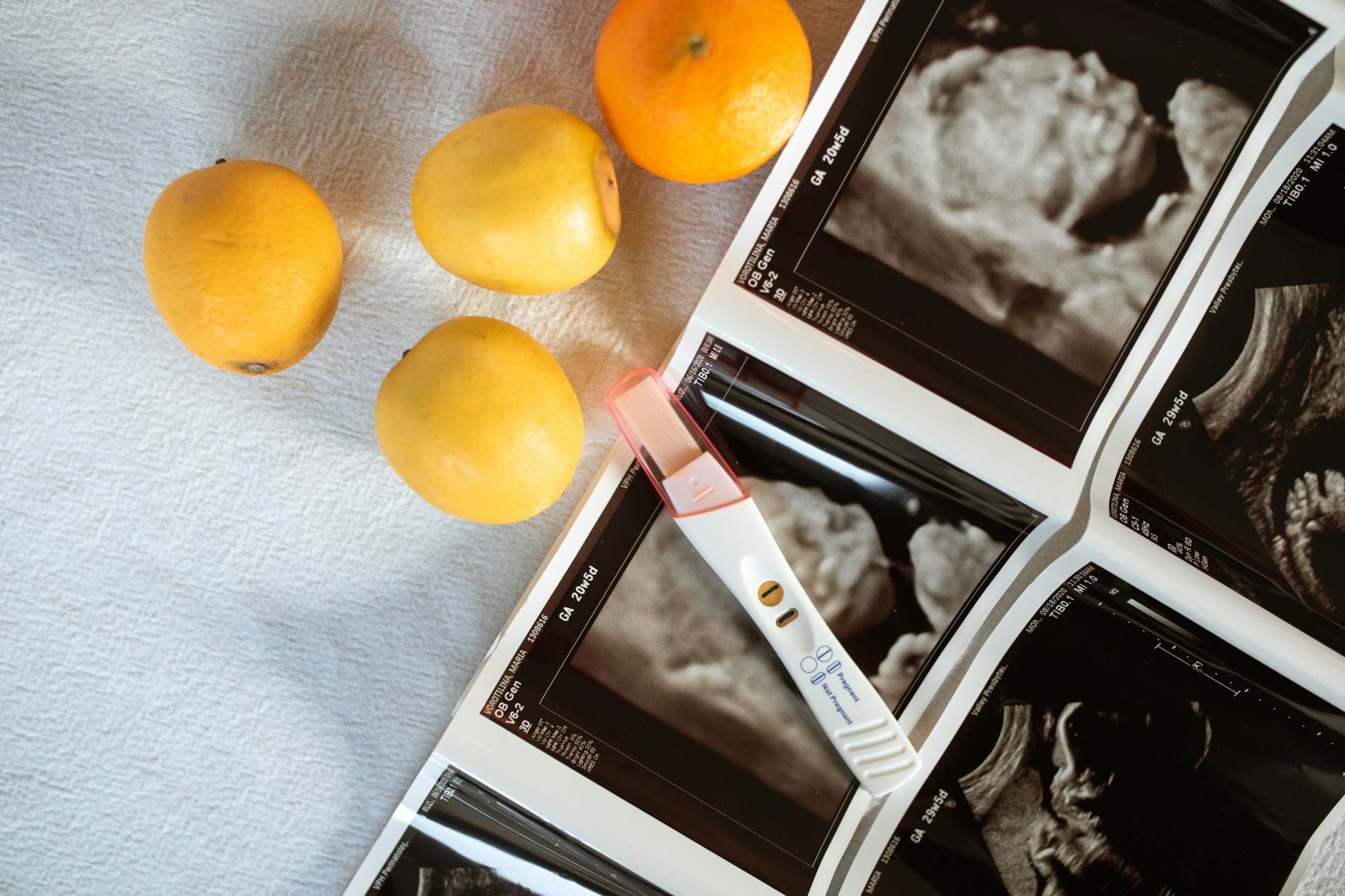
How Nutrition Needs Change by Trimester
First Trimester (Weeks 1-13)
Folate is king. This is when the neural tube forms (weeks 3-4, often before you even know you're pregnant). Iron needs start increasing. Calories don't need to increase much yet, but nutrient density matters enormously. Morning sickness makes eating well genuinely difficult, so every bite counts.
Second Trimester (Weeks 14-27)
Calorie needs increase by about 340/day. Protein becomes more important as your baby grows rapidly. Calcium demand peaks as bones form. This is usually the "golden trimester" where eating is easier, so it's the best time to build good habits.
Third Trimester (Weeks 28-40)
DHA is critical now for brain development. Calorie needs increase by about 450/day. Iron requirements are highest. Fiber becomes essential as constipation gets worse. You're eating for two in a very real sense now.

Why Current Pregnancy Apps Fall Short on Nutrition
We tested every major pregnancy app. Here's what we found:
What to Expect, The Bump, Ovia are excellent general pregnancy trackers. They give you week-by-week fetal development, contraction timers, and community forums. But their nutrition features are limited to generic food safety lists and basic articles. They don't track what you eat or whether you're hitting your nutrient targets.
Fittur, PregnancyPlate are pregnancy-specific nutrition trackers, but they rely on manual food database searches. No AI photo or voice logging. Logging a meal takes 2-3 minutes, which is too slow for someone dealing with pregnancy fatigue.
MyFitnessPal, Cronometer can technically track pregnancy nutrients, but they're not designed for pregnancy. They don't adjust targets by trimester, don't flag unsafe foods, and don't track pregnancy-specific nutrients like choline or DHA prominently.
What a Great Pregnancy Nutrition App Would Look Like
Based on our research, here's what's missing:
Instant logging. Snap a photo of your meal or say what you ate. AI identifies everything and calculates all 15 pregnancy-critical nutrients. Under 10 seconds. Because pregnant women are exhausted and busy.
"Is this safe?" Take a photo of any food and get an instant answer: safe, caution, or avoid during pregnancy. No more Googling "can I eat sushi while pregnant" at the restaurant.
Trimester-aware targets. Your folate target in week 4 is different from your DHA target in week 32. The app should know where you are and adjust automatically.
Prenatal vitamin tracking. Log your prenatal vitamin daily and see how it fills your nutrient gaps. Most women take a prenatal but have no idea whether it's enough.
Partner/family sharing. Let your partner see your nutrition progress so they can help. "You're low on iron today" is more helpful than "what do you want for dinner?"
We're Building This.
HealthyBump is an AI-powered pregnancy nutrition tracker from the makers of HealthyOne. Photo and voice meal logging, 15 pregnancy-critical nutrients, food safety scanner, trimester-aware targets, and a growing baby visualization that makes every healthy meal feel meaningful.
Coming soon to iOS and Android. Sign up to be notified when we launch.
Get Early Access
What You Can Do Right Now
While we're building HealthyBump, here are three things you can do today to track pregnancy nutrition better:
1. Use HealthyOne. Our general nutrition tracker already tracks 50+ nutrients including folate, iron, calcium, vitamin D, and most pregnancy-critical nutrients. It won't adjust targets for pregnancy yet, but the AI logging makes it effortless. Free on iOS and Android.
2. Focus on the big 5. If tracking 15 nutrients feels overwhelming, focus on these five: folate (leafy greens, fortified cereals), iron (lean meat, beans, spinach), DHA (salmon, sardines, walnuts), calcium (dairy, fortified plant milk), and choline (eggs, beef liver). Hit those five consistently and you're covering the most critical bases.
3. Track your prenatal vitamin. Know what's in it and what it doesn't cover. Most prenatals are low in DHA, choline, and calcium. You'll need to get those from food.
Disclaimer: This article is for informational purposes only and is not medical advice. Always consult your OB/GYN or healthcare provider about your specific nutritional needs during pregnancy.