Why Some People Lose Far More Weight Than Others on GLP-1s (Wegovy, Ozempic, Mounjaro)
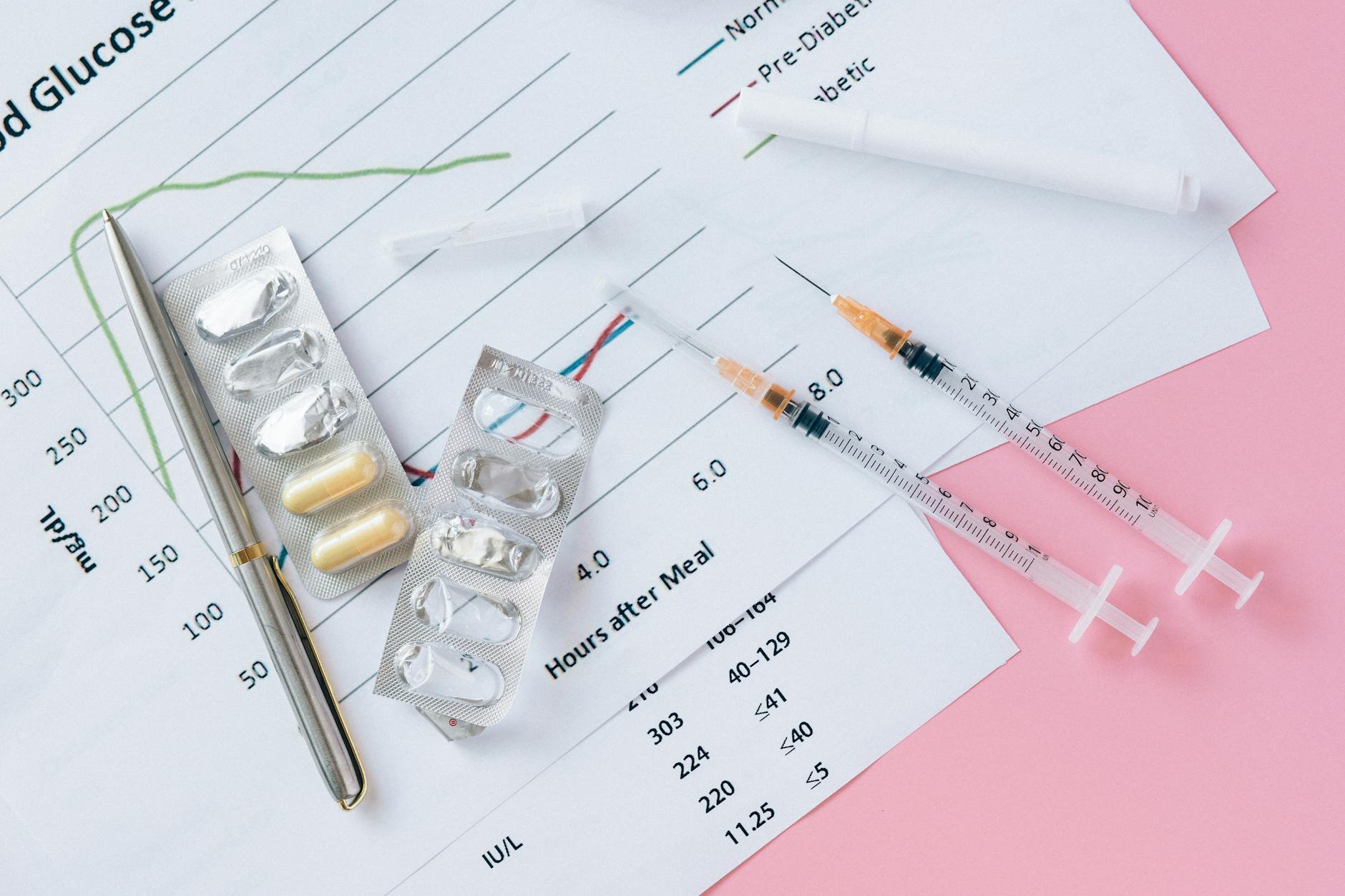
Two people start Wegovy the same Monday. Same dose schedule, same prescriber, same starting weight. Six months in, one is down 22% of body weight and the other is down 4%. They are both following the rules. What is going on?
This is the most common question in GLP-1 forums, and it has a real answer. The variability is huge — and most of it is predictable once you understand the moving parts. Here is what the trials and clinical experience actually show, and what is in your control.
Average Loss vs. What Really Happens
The headline numbers from the big trials are deceiving. The STEP-1 trial of Wegovy (semaglutide 2.4mg) reported an average loss of around 15% of body weight at 68 weeks. The SURMOUNT-1 trial of Mounjaro / Zepbound (tirzepatide 15mg) reported an average loss of around 21% at 72 weeks. Both are remarkable on average. But the average hides the spread.
Inside that same Wegovy trial, roughly a third of patients lost 20% or more. Another chunk lost less than 5% — clinically classified as "non-responders." Same drug. Same protocol. Wildly different outcomes. Here is why.
What Predicts a Strong Response
1. The Drug Itself
Not all GLP-1s are equal. Tirzepatide (Mounjaro / Zepbound) hits both the GLP-1 and GIP receptors, and in head-to-head trials it consistently produces larger weight loss than semaglutide (Ozempic / Wegovy) at comparable durations. If you are on Ozempic for type 2 diabetes and your insurance also covers Mounjaro, your prescriber has a real decision to make about which drug fits your goal.
2. Finishing the Dose Escalation
Every GLP-1 has a titration schedule. Wegovy starts at 0.25mg and steps up roughly every four weeks to 2.4mg. Mounjaro goes from 2.5mg to 15mg. The bigger the dose, the bigger the average weight loss. People who stall at a lower dose because side effects scared them off — or because the prescriber held them there — lose less weight, full stop. The studies that get the big numbers are studies where most patients finished the climb.
3. Sex and Baseline BMI
Women lose slightly more weight on GLP-1s than men in most trials. Patients with a higher starting BMI also tend to lose more total pounds (though percentage loss is closer to even). If you are a 5'9" man starting at BMI 30, you should expect a different absolute number than a 5'5" woman starting at BMI 40 — even if you both do everything right.
4. No Type 2 Diabetes
This is one of the most consistent findings. Patients with type 2 diabetes lose less weight on the same GLP-1 dose than patients without diabetes. The difference can be 4 to 8 percentage points of body weight over a year. The mechanism is not fully nailed down, but insulin resistance and the metabolic differences in diabetic physiology blunt the weight-loss effect. The drug still helps blood sugar enormously — just less on the scale.
5. Hitting Protein
This one is in your control and almost no one does it right. GLP-1s suppress appetite so dramatically that most patients drop into a protein deficit by week 4. Protein deficit means muscle loss. Muscle loss means a slower metabolism, which means the same dose buys less weight loss month over month. Patients who hit roughly 0.7 to 1.0 grams of protein per pound of lean body mass consistently outperform patients who let protein slide because nothing sounds appetizing.
6. Resistance Training, Not Just Walking
Walking is great for sticking to the medication and for cardiovascular health. It does almost nothing to preserve muscle during rapid weight loss. The patients who finish the year with the best body composition — not just the lowest scale weight — are the ones doing two or three resistance sessions a week. They lose the same total pounds, but a much higher fraction of those pounds are fat instead of lean mass.
The fastest way to turn a 20% responder into a 5% responder: tolerate side effects badly, stall at a low dose, eat 40 grams of protein a day because food sounds gross, and never lift anything. The fastest way to turn a 5% responder into a 15% responder: complete the titration, prioritize protein, lift twice a week, and track what you are actually eating.
What Predicts a Poor Response (and What You Can Do About It)
Severe Side Effects That Force a Dose Cap
Nausea, vomiting, and GI issues are the most common reasons people get stuck at a lower dose. Most of these are manageable with smaller, more frequent meals, lower-fat choices, and pacing fluids. Logging meals next to a side-effect entry — "the high-fat takeout on Thursday lined up with 8 hours of nausea on Friday" — surfaces the patterns your prescriber needs to titrate confidently.
Compensatory Eating
This is the quiet killer of GLP-1 results. The drug crushes hunger for most of the day. Then at 9pm the cravings break through and you eat 1,400 calories of ice cream and chips. The day's calorie math gets undone in 20 minutes. Tracking even loosely — photo logging, no portion-typing — exposes this fast.
Skipping Doses
GLP-1s work because of a steady drug level. Skipping a weekly injection — because of travel, supply gaps, or "I'm doing fine, I'll skip a week" — knocks levels down and the appetite suppression comes roaring back. Inconsistent dosing produces inconsistent loss.
Sleep and Stress
Both are weight-regulation regulators in their own right. Chronic poor sleep raises ghrelin, lowers leptin, and tilts food choice toward calorie-dense options — exactly the foods that punch through GLP-1 appetite suppression. The trial protocols do not control for this. Your daily life does not either, but you can.
The Plateau Question
Most GLP-1 patients hit a plateau somewhere between months 9 and 14. This is not a failure of the drug. It is the body settling into a new energy balance at a lower weight. Three options at that point: (1) accept the plateau and shift to maintenance, (2) titrate up if you are not already at max dose, (3) get aggressive about protein and resistance training to shift body composition even if the scale stops moving. The patients who flame out at the plateau are the ones who decide the drug "stopped working" and quit. The drug did not stop working. The new baseline is the new baseline.
The Numbers Worth Watching
If you are on a GLP-1 and you want to understand whether you are tracking with the strong-response curve or the weak-response curve, watch four things:
- Daily protein. Are you hitting your target on most days, or just the days you cook?
- Side effects after meals. Are you logging them and learning, or grinding through and tolerating worse outcomes than necessary?
- Body composition, not just weight. Pull lean mass from a smart scale or DEXA. If lean mass is falling fast, protein and lifting are the levers.
- Sleep and consistency. Weekly average sleep duration. Whether you have skipped doses.
This is also exactly what a GLP-1-aware nutrition tracker should put in front of you. Calorie counters were not built for a world where appetite is engineered down by a drug. The interesting questions on a GLP-1 are not "how many calories did I eat?" — they are "did I protect muscle, did I get the micronutrients I need, and did I see a side-effect pattern I can bring to my prescriber?"
The Bottom Line
Variability in GLP-1 weight loss is real and it is mostly explained by a small list of variables: which drug, what final dose, baseline biology (sex, BMI, diabetes status), and a handful of behaviors that you actually control — protein, lifting, sleep, and tracking what is happening. If you are in the 5% responder bucket and you have not optimized the controllable list, you do not have a "drug failure." You have a system failure, and the system is fixable.
None of this is medical advice. Talk to your prescriber about your dose, your side effects, and any changes to your plan. But bring data to that conversation. The patients who bring 90 days of meal logs, protein totals, weight trends, and side-effect notes are the patients who get the best titration decisions back.
Considering a GLP-1? Talk to a licensed clinician online.
ShedRx pairs you with a licensed clinician for semaglutide or tirzepatide weight-loss treatment, plus health coaching and supplements — all shipped to your door. Available in all 50 states.
Start your ShedRx visit →Want to compare options? See bmiMD personalized GLP-1 telehealth →
This section contains affiliate links. HealthyOne may earn a commission if you sign up through them, at no extra cost to you. HealthyOne is not a medical provider; these are independent telehealth companies. Always consult a licensed clinician.
Built for GLP-1, not against it
HealthyOne logs meals in 10 seconds via photo, voice, text, or barcode. Protein-first dashboard. Side effect tracking. 50+ nutrients, heart health view, Apple Health and Google Health Connect sync. 7-day free trial, then $7.99/month.
Try HealthyOne Free