The Best Daily Food Tracker App in 2026 (Log Every Meal, Every Day, Without Quitting)
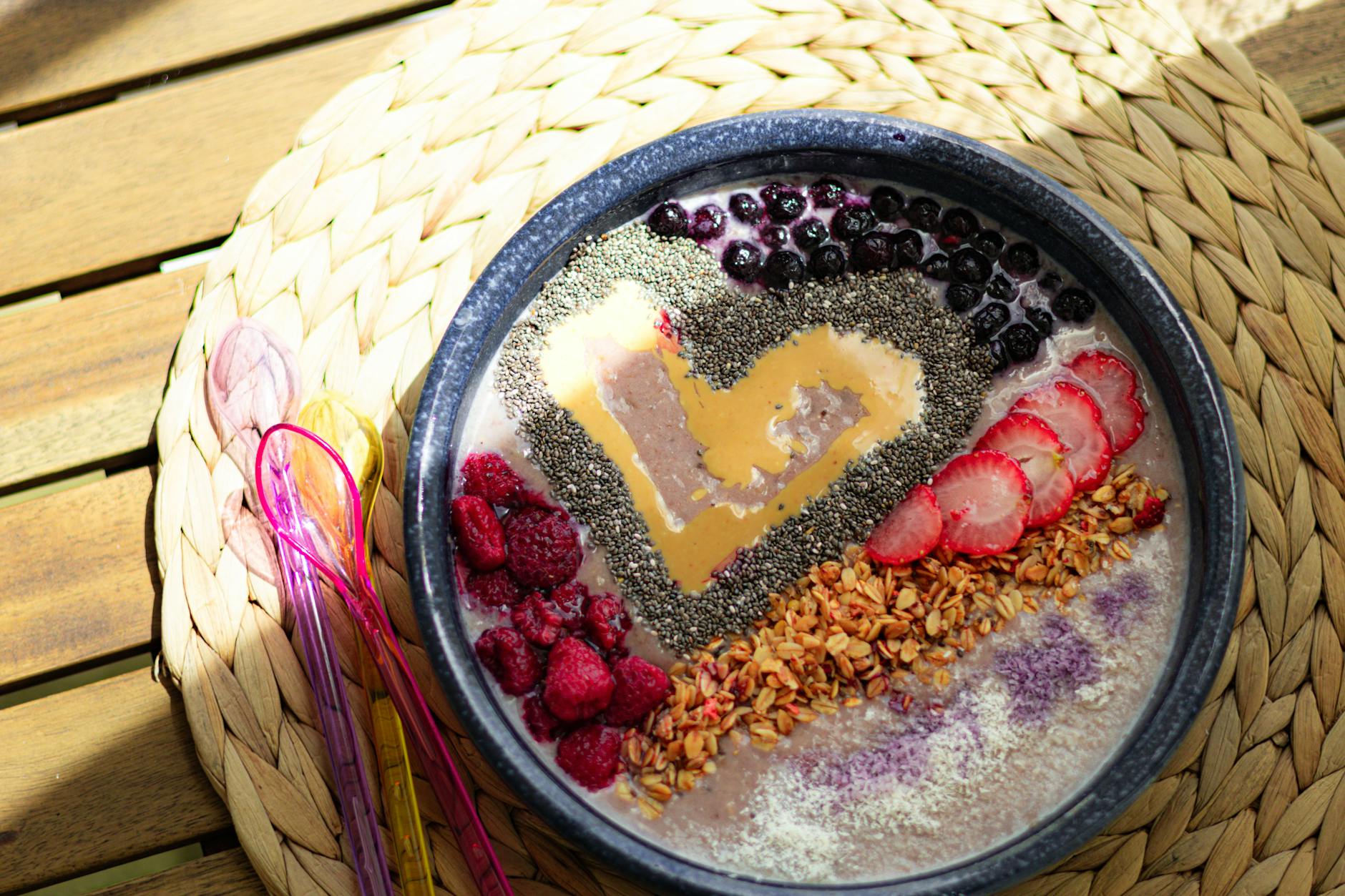
You've downloaded a food tracker before. Probably more than one. You logged for three days, then a week, then forgot during a busy Tuesday, then deleted it that weekend feeling like a failure. That's not a willpower problem. That's a product problem.
A daily food tracker only matters if you actually use it daily. And in 2026, the bar for "daily" has moved. The apps people loved in 2018 — MyFitnessPal, Lose It!, Cronometer — were built for a world where typing "grilled chicken, 4 oz" into a search box, scrolling past 47 wrong matches, and adjusting the portion slider was acceptable. It isn't anymore.
What a Daily Food Tracker Should Actually Do in 2026
Here's the test most apps fail. Run any tracker through this list before you commit to it.
1. Logging a Meal Should Take Under 10 Seconds
This is the entire game. If logging breakfast takes 90 seconds of database searching, you'll quit. Period. The math is brutal: three meals plus two snacks at 90 seconds each is 7.5 minutes a day of mostly tedious data entry. Multiply by 365 days. No one does that. The right daily food tracker takes a photo of your plate, or hears you say "two eggs, half an avocado, and a slice of sourdough toast," and logs the whole thing — calories, macros, fiber, vitamins, the works — in the time it takes to take a sip of coffee.
2. It Has to Work When You're Not at Home
Restaurants. Friend's house. Gas station snacks. Airports. The single biggest failure point for daily logging is the moment you eat something that isn't on a meal-prep plan. Most apps choke here because their database doesn't have the chain restaurant item, or you have no idea what was actually in the casserole at your in-laws. A real daily tracker uses AI to estimate from a photo or a description — even when the meal is messy, mixed, and undefined.
3. It Has to Track What Actually Matters, Not Just Calories
Calories are one number out of fifty that determine how you feel and how your body changes. Protein, fiber, sodium, magnesium, B12, omega-3s, iron, potassium — the deficiencies that drive low energy, bad sleep, and slow recovery don't show up on a calorie counter. A daily food tracker that shows you only one number is a daily disappointment generator. You need 50+ nutrients in the background, surfaced when something looks off.
4. Streaks That Don't Punish You for Being Human
Old-school trackers reset your streak the second you miss a day. So you skip Day 11 because of a wedding, see the zero, and never log again. Smarter daily trackers acknowledge that life happens. They reward consistency without weaponizing perfection. A "missed day" should feel like a recoverable hiccup, not a verdict on your character.
5. It Has to Sync With Your Health Data
Your daily food tracker should pull weight, steps, heart rate, and sleep from Apple Health or Google Health Connect — and feed nutrition data back. If your tracker is an island, you're going to forget about it within a month. Integrated data is what makes you actually look at the app every day.
The reason 95% of food tracker users quit is friction, not motivation. Cut the time-per-meal in half and your retention doubles. That's not a marketing claim — that's the math of every fitness app cohort study from the last five years.
Why Most Daily Food Tracker Apps Fail
The well-known names all have the same problem: they were designed before AI could do the heavy lifting, and they bolted modern features on top of database-search engines that haven't fundamentally changed.
- MyFitnessPal still revolves around its 14-million-item database. The barcode scanner is fast, but anything fresh, mixed, or homemade is a 60-90 second search-and-adjust ritual. Their AI photo logging exists but is locked behind a premium tier and is hit-or-miss on portion sizes.
- Lose It! has a cleaner interface and a better calorie target engine, but the daily logging flow is the same: search, scroll, tap, adjust portion. After a week, the routine feels like a chore.
- Cronometer is the gold standard for nutrient depth — it tracks more micronutrients than almost anyone — but it expects you to weigh and enter food manually. That's fine for a quantified-self enthusiast logging on a kitchen scale. It's a non-starter for normal humans on a Tuesday.
- Noom is a behavioral coaching app dressed up as a tracker. The food log is intentionally clunky to make you "think about" what you're eating. That's a feature for some people and a deal-breaker for anyone who just wants the data.
None of these are bad apps. They're products of a different era. In 2026, "daily food tracker" should mean "I open the app, point my camera, and the rest happens." If you're still typing search terms, you're using 2018 software.
What HealthyOne Does Differently for Daily Logging
I built HealthyOne after watching myself and everyone I know cycle through tracker apps and quit. Here's what daily logging looks like when you remove the friction.
Four Logging Methods, Pick Whichever Is Fastest Right Now
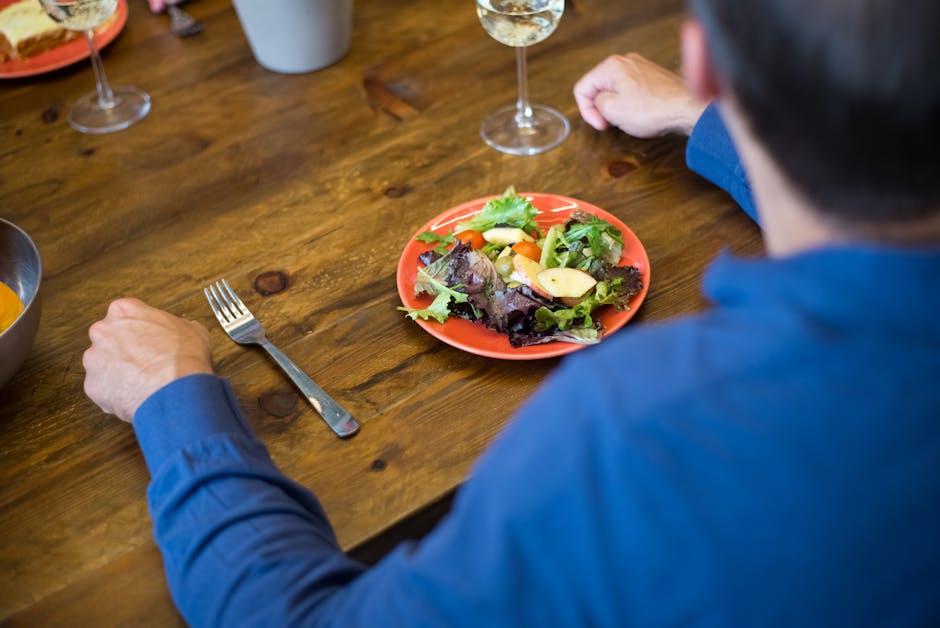
Photo. Voice. Text. Barcode. You don't pick one and commit — you use whichever fits the moment. At your desk? Snap a photo of your salad. Driving home? Voice-log "Chick-fil-A grilled nuggets, 8-piece, large fruit cup." Late night fridge raid? Type "two slices of leftover pizza." Packaged snack? Barcode. Every method goes through the same Gemini 2.5 Flash AI engine and returns 50+ nutrients in under 10 seconds.
A Power Score Instead of a Single Number
HealthyOne combines protein, micronutrients, fiber, and consistency into one daily Power Score. It's harder to game than calories and it actually reflects how nourished your body is. You stop chasing a number and start watching a metric that tracks reality.
Squad Accountability Without the Shame
Daily logging is easier when you're not alone. HealthyOne squads let you share progress with two to five people who are doing the same thing. No public leaderboards. No calorie-shaming. Just quiet accountability — you log because Sarah is going to log, and Sarah is going to log because you are.
Avatar Progression That Rewards the Long Game
Your in-app avatar visibly improves as your habits improve — better posture, brighter color, more energy in the animation. It's gentle, it's silly, and it works. You see yourself getting healthier in the app the same way you eventually will in real life.
Heart Health and Fasting Built In
If you're also tracking intermittent fasting windows or paying attention to sodium and saturated fat for cardiovascular reasons, HealthyOne has both — no second app required. Fasting tracker, heart health dashboard, and the daily food log all live in one place and share the same data.
How to Pick the Right Daily Food Tracker for You
Three quick questions cut the field in half.
How long does logging one meal take? If the answer is more than 15 seconds, you won't last a month. Test the flow before you commit. Log lunch on Day 1 and time it.
What does the app do when you eat something weird? Try logging a homemade casserole, a restaurant entree, and a packaged snack on the same day. If any of those required more than two taps, the app will lose you on a busy week.
What does it show you on Day 30? A good daily tracker compounds. By the end of the first month you should see protein trends, micronutrient gaps, weight changes, and at least one habit insight that surprises you. If all you see on Day 30 is "you logged 28 of 30 days," the app isn't doing its job.
The Bottom Line
The best daily food tracker app in 2026 is the one you'll actually open tomorrow morning, and the morning after, and the morning after that. Speed is the entire game. Nutrition depth is the runner-up. Everything else — streaks, badges, social features, color schemes — only matters once those two are solved.
If you've quit a food tracker before, the answer isn't more discipline. It's a faster app. Drop the database-search relics from the 2010s and try a tool that was actually built for a world where AI can read your plate.
The daily food tracker that takes 10 seconds, not 10 minutes
Photo, voice, text, or barcode. 50+ nutrients calculated automatically. Power Score, squads, fasting tracker, and Apple Health sync in one app. 7-day free trial, then $7.99/month.
Try HealthyOne Free