Hair Loss on Ozempic, Wegovy and Zepbound: What to Eat (2026)
Somewhere around month three or four on Ozempic, Wegovy, Mounjaro or Zepbound, a lot of people notice more hair in the shower drain and on the brush. It is one of the most common worries in GLP-1 forums, and the first instinct is to blame the drug. In most cases the drug is not the direct cause. The cause is what happens around it: fast weight loss and weeks of eating very little, which is exactly what these medications make easy.
That is the good news, because the nutrition side is the part you can fix with a grocery list. This post covers why the shedding happens, the protein floor, the iron and zinc foods that fill the next most common gaps, what to skip, and when the right move is a lab test. Nutrition only. Sudden or patchy loss is a question for your prescriber, not a blog.
Why Hair Thins on a GLP-1
Hair grows in cycles. At any moment most follicles are growing and a small share are resting before they shed. A shock to the body, and rapid weight loss plus a sharp drop in calories counts as one, pushes a larger share of follicles into the resting phase at once. Two to four months later those hairs fall out together. Dermatologists call this telogen effluvium. It is the same pattern seen after surgery, childbirth or a crash diet, and it is temporary in the large majority of cases once eating stabilizes.
On a GLP-1 three things stack up to trigger it:
- Rapid weight loss itself. Losing a lot of weight quickly is a known trigger regardless of how the weight was lost.
- Under-eating protein. Hair is made of protein. When intake drops to 40 or 50 grams a day, which is common when every meal is four bites, the body sends what little protein there is to organs and muscle first. Hair is last in line.
- Micronutrient gaps that creep in. Iron, zinc and the B vitamins mostly come from the meat, eggs, beans and whole grains that get crowded out when appetite collapses.
The timing matters for diagnosis. If your shedding started two to four months after your weight loss sped up, under-eating is the first suspect. If it started before the medication, or the pattern is patchy rather than an even thinning, ask your prescriber about other causes.
Step 1: Get Back Over the Protein Floor
Nothing else on this list works if protein is short. Most people on a GLP-1 do well aiming for roughly 90 to 100 grams a day, spread across four or five small eatings rather than three meals you cannot finish. The GLP-1 protein foods list ranks foods by protein per bite; these are the ones that matter most when hair is the goal, because they bring iron and zinc along with the protein.
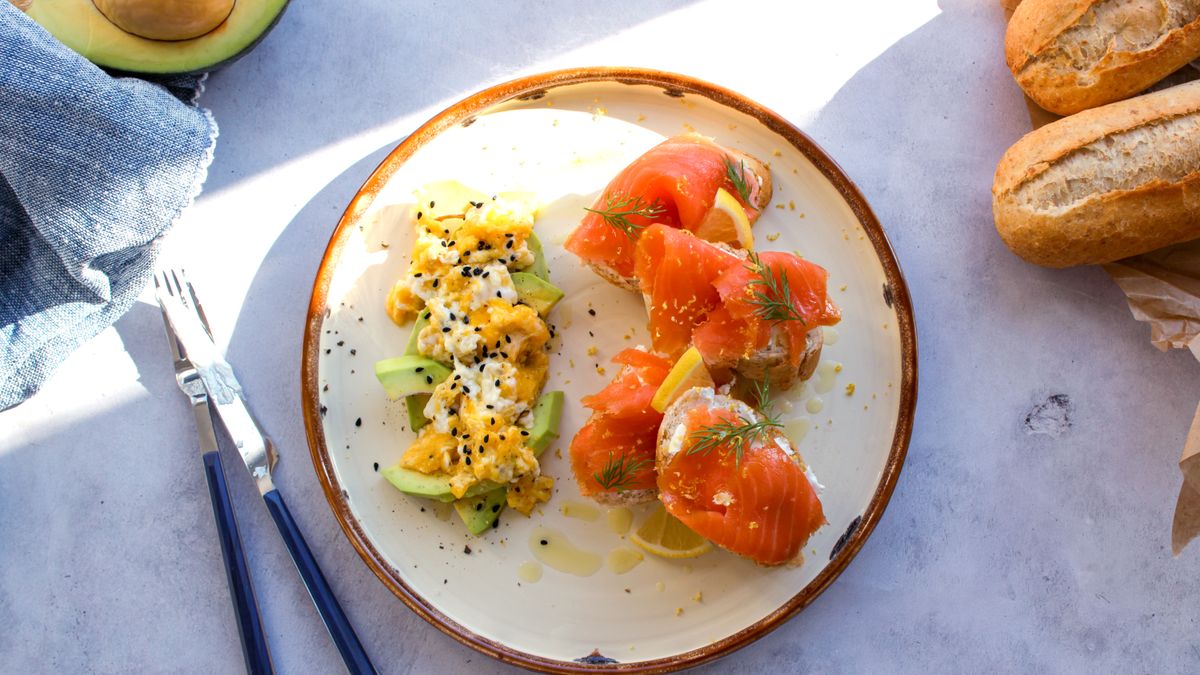
- Eggs, two whole — 12 g protein, plus biotin, iron and some zinc. The single best hair food for a small appetite. Soft scrambled goes down on a nausea day.
- Lean beef, 3 oz — 25 g protein and the most absorbable form of iron there is, with zinc on top. Ground 93% lean in a small bowl of chili or a few slices of sirloin.
- Canned salmon or sardines, 3 oz — 20 to 22 g protein, omega-3 fats and vitamin D. Salmon with the soft bones adds calcium.
- Chicken thigh, 3 oz — 22 g protein and more iron and zinc than breast. Dark meat is also easier to eat when things are dry and hard to swallow.
- Nonfat Greek yogurt, one cup — 17 to 20 g protein. Cold, soft, no chewing. Add a spoon of pumpkin seeds for zinc.
- Cottage cheese, half cup — 12 to 14 g protein. Same idea as yogurt with a little more sodium.
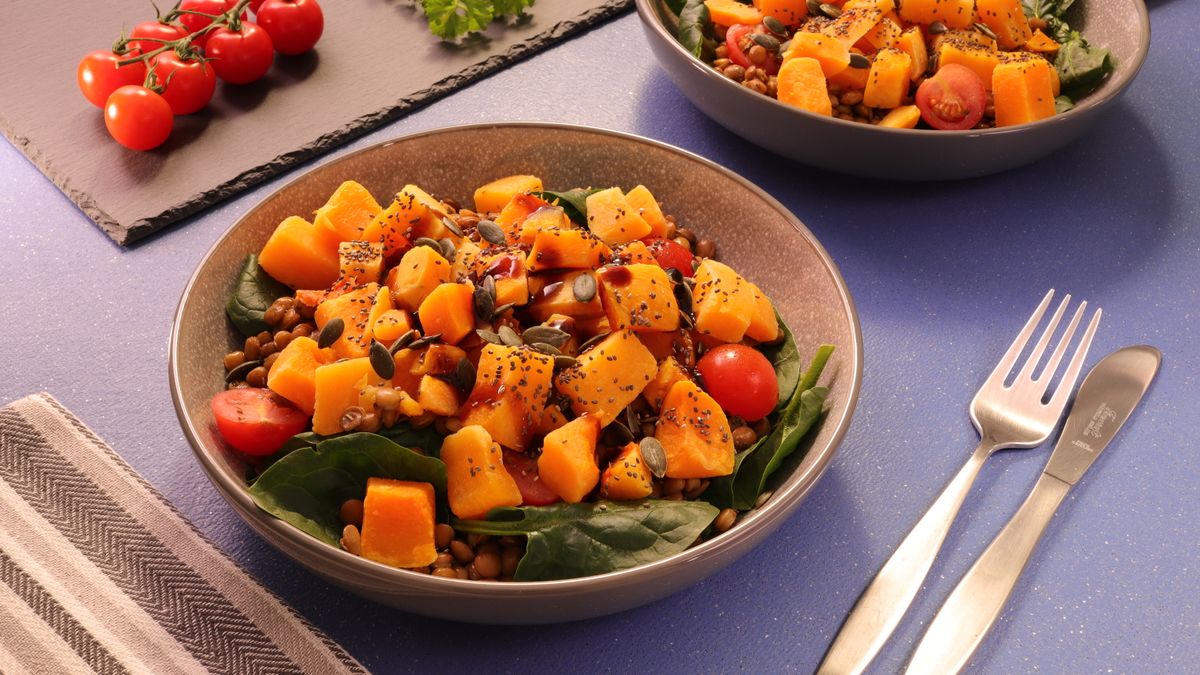
- Lentils, half cup cooked — 9 g protein, 3 mg iron and fiber for the constipation side. Pair with a squeeze of lemon so the iron absorbs better.
- Tofu, firm, half cup — 10 g protein with iron and calcium. Works for plant-based eaters who are hit hardest by the iron gap.
- Shrimp, 3 oz — 20 g protein and zinc, almost no fat. Six pieces is a meal on these medications.
- Whey or pea protein shake, one scoop — 20 to 25 g. Sip it over an hour. A backstop, not a replacement, because it brings no iron or zinc.
A practical day: two eggs at breakfast (12 g), Greek yogurt mid-morning (18 g), a small bowl of beef chili at lunch (25 g), cottage cheese in the afternoon (13 g) and salmon with a few bites of rice at dinner (22 g). That is 90 grams, none of it a plate you cannot finish.
Step 2: Iron, the Gap Most People Actually Have
Low iron is the most common nutrient problem tied to hair shedding, and women who menstruate, anyone who was already low before starting, and people who stopped eating red meat because it sits heavy are the most likely to run short on a GLP-1. Iron comes in two forms. Heme iron from animal foods absorbs several times better than the non-heme iron in plants, so a small portion of meat does more than a big portion of spinach.
- Beef, lamb and bison — 2 to 3 mg per 3 oz, all heme. A few ounces three or four times a week covers a lot of ground.
- Clams, oysters and mussels — the richest iron foods there are, and oysters are the single best zinc food. A small can of clams in a soup is an easy way in.
- Lentils, chickpeas, black beans, tofu — 2 to 3 mg per serving, non-heme. Eat them with a vitamin C food (tomato, bell pepper, citrus) to absorb more.
- Pumpkin seeds — a tablespoon on yogurt adds iron and zinc without taking up room.
Two habits that quietly block iron: coffee or tea with the meal, and a calcium supplement taken at the same time. Shift those an hour away from your iron-rich eating. And do not start an iron supplement on your own. Too much iron is its own problem, so this is the one place a simple blood test (ferritin plus a standard panel) is worth asking your prescriber for before you act.
Step 3: Zinc and the B Vitamins
Zinc is needed to build hair protein, and it comes almost entirely from the foods that shrink first on a GLP-1: red meat, shellfish, poultry, beans and seeds. Biotin and the other B vitamins ride along in eggs, meat, fish, dairy and whole grains. Eat from the protein list above and you are largely covered. If meals have drifted to crackers, soup and the occasional protein bar, you are not.
- Oysters — far and away the top zinc food. Even three or four cover a day.
- Beef and pork, 3 oz — 4 to 6 mg zinc. Pork tenderloin is lean and soft when cooked right.
- Chickpeas, half cup — about 1.3 mg, plus protein and fiber.
- Pumpkin seeds and cashews, one ounce — 1.5 to 2 mg. A spoonful, not a bag; nuts are dense.
- Eggs, oats, salmon and sardines — the easiest biotin, B12 and omega-3 sources for a small appetite.
What to Skip While Your Hair Recovers
None of these cause shedding on their own. All of them make the under-eating worse, which is the actual problem.
- Liquid-only days. Coffee, broth and a protein shake is not a day of eating. Shakes bring protein but almost no iron or zinc.
- Skipping meals because you are not hungry. Appetite is not a reliable signal on these medications. Eat by the clock, small and often.
- Crash-dieting on top of the drug. Cutting calories further to speed things up is the single most reliable way to extend the shedding. The medication is already doing the work.
- Cracker-and-soup eating. Easy on the stomach, nearly empty of protein, iron and zinc. Swap in eggs, yogurt and a small portion of meat.
- Mega-dose biotin or "hair, skin and nails" gummies. They rarely help unless you were deficient, which is uncommon, and high-dose biotin can interfere with some blood tests. Tell your doctor before taking it. Spend the money on eggs.
If nausea is what is pushing you toward crackers and broth, the GLP-1 nausea food guide has the cold, soft, protein-first options that sit well, and the Wegovy food list and Zepbound food list rank everyday foods by how well they work on a slow stomach.
How Long It Takes
Telogen effluvium runs on the hair cycle's clock, not yours. Once you are back over the protein floor and the gaps are filled, expect shedding to slow over two to three months and visible regrowth over the following three to six. New hair is often fine and short at first. Track the trend, not the day: fewer hairs on the brush week over week means it is working.
Stop reading food lists and talk to your prescriber if the loss is patchy, comes with scalp pain or itching, started before the medication, has not eased after six months of solid eating, or shows up alongside fatigue, feeling cold all the time or brittle nails. Those point to thyroid, iron or something else a blood test can find in a week.
Why a Food List Is Not Enough for This One
Hair is a lagging indicator. The under-eating that caused the shedding happened months before you noticed, and the eating that fixes it will not show on your head for months either. In between there is no feedback. You cannot feel a 55-gram protein day or a week of low iron, so people do everything right for three weeks, see no change, blame the drug and give up. The only way to know you are hitting 90 grams and getting iron and zinc most days is to count, and on a GLP-1 counting by hand falls apart because the eating is scattered into small bites all day.
How HealthyOne Closes the Gap
Say "two scrambled eggs and a Greek yogurt" into HealthyOne or snap a photo of the chili bowl and the protein, iron, zinc and B vitamins are logged before you put the fork down. The dashboard is protein-first, so you see at 2 PM whether today is a 50-gram day or a 90-gram day while there is still time to fix it. GLP-1 mode raises the protein target to protect muscle and hair during rapid weight loss, and the 50-plus nutrient tracker flags a week of low iron or zinc before it turns into a month. The 7-day free trial is enough to see whether your real intake matches what you think you are eating.
FAQ
Does Ozempic cause hair loss?
Hair shedding is reported by some people on Ozempic, Wegovy, Mounjaro and Zepbound, but in most cases the trigger is rapid weight loss and weeks of eating very little rather than the medication acting on hair directly. That pattern, called telogen effluvium, usually eases once protein and calorie intake stabilize. If your shedding is patchy, painful or started before the medication, ask your prescriber.
How much protein should I eat to stop hair loss on a GLP-1?
Most adults on a GLP-1 do well aiming for roughly 90 to 100 grams a day, spread across four or five small eatings. Eggs, Greek yogurt, lean beef, chicken thigh, salmon and cottage cheese get you there in portions you can finish, and they bring iron and zinc along with the protein.
Should I take biotin for hair loss on Wegovy or Zepbound?
Usually not. Biotin only helps if you were deficient, which is uncommon when you eat eggs, meat, fish and dairy, and high-dose biotin can interfere with some blood tests. Protein, iron and zinc from food fix far more GLP-1 hair shedding than a biotin gummy does. Talk to your doctor before starting any supplement.
How long does GLP-1 hair loss last?
Telogen effluvium typically shows up two to four months after the trigger and, once eating is back on track, shedding slows over two to three months with regrowth over the following three to six. If it has not eased after six months of solid protein and iron intake, or comes with fatigue, feeling cold or brittle nails, ask your prescriber for labs.
The Bottom Line
Hair thinning a few months into Ozempic, Wegovy, Mounjaro or Zepbound is almost always the body reacting to fast weight loss and too little food, and it is temporary once you fix the eating. Get back over 90 grams of protein a day with eggs, yogurt, beef, chicken thigh, salmon and lentils, lean on the iron and zinc foods in those same groups, skip liquid-only days, crash dieting and mega-dose gummies, and ask your prescriber for a ferritin test rather than guessing on iron. Then give it the months the hair cycle needs, and track your intake with something that counts protein first so you know the fix is actually happening.
See whether you actually hit 90 grams today
Log eggs and yogurt by voice or photo in seconds and HealthyOne shows protein, iron and zinc against your GLP-1 target before the day is over. GLP-1 mode, 50+ nutrients, 7-day free trial.
Try HealthyOne Free