The Zepbound Food List for 2026: What to Eat (and Skip) on Tirzepatide
It's 7 p.m. You made dinner, sat down, took four bites, and you're done. Not "watching your portions" done — physically, completely done. That's Zepbound. Tirzepatide doesn't just dial appetite down; it shuts the kitchen early. And that creates a problem nobody warns you about: when you can only eat 800-1,200 calories a day, every single bite has a job to do.
Eat the wrong things in that tiny window and you get the worst of both worlds — nausea, constipation, muscle loss, and nutrient gaps. Eat the right things and the weight comes off while you keep your strength and feel decent doing it. Here's the food list that makes the difference.
How Zepbound Changes the Way You Need to Eat
Zepbound (tirzepatide) works on both GLP-1 and GIP receptors. It slows stomach emptying, blunts hunger signals, and quiets food noise. The practical consequences for your plate:
- Portions shrink dramatically. A "meal" might be 300-400 calories. Three big meals a day stops being realistic — most people land on 4-5 small ones.
- Fat sits heavy. Greasy food in a slow-emptying stomach is the classic tirzepatide nausea trigger.
- Protein becomes non-negotiable. A meaningful share of weight lost on GLP-1 medications can come from lean mass if protein intake is too low. You can't afford to spend your tiny appetite on crackers.
- Fiber and fluids stop being optional. Constipation is one of the most commonly reported Zepbound side effects, and eating less food means less fiber and water by default.
GLP-1 clinician access
Not on a GLP-1 yet, or paying full price? Licensed online clinicians can evaluate you for semaglutide or tirzepatide and ship it to your door, no insurance required.
Sponsored. HealthyOne may earn a commission at no cost to you. These are independent telehealth companies, not HealthyOne; a licensed clinician decides whether treatment is appropriate.
The Zepbound Food List: What to Eat
Protein Anchors (build every meal around one)
Eggs and egg whites, Greek yogurt, cottage cheese, grilled chicken and turkey, white fish and salmon, lean beef, shrimp, tofu and tempeh, edamame, and protein shakes for the days solid food feels like a chore. Aim for 15-30 grams of protein per eating occasion. If you only have room for four bites, make them protein bites first.
Fiber That Keeps Things Moving
Berries, pears, and apples; oatmeal and overnight oats; lentils, black beans, and chickpeas in small servings; roasted or steamed vegetables — zucchini, green beans, carrots, broccoli if your stomach tolerates it. Raw cruciferous vegetables can be gassy on a slow stomach, so cooked usually beats raw in the first months.
Hydration Helpers
Water first, but also bone broth, soup, herbal tea, and sugar-free electrolyte drinks. Thirst cues get quieter on tirzepatide along with hunger cues, and mild dehydration is behind a lot of the fatigue and headaches people blame on the medication itself.
Gentle Carbs for Energy
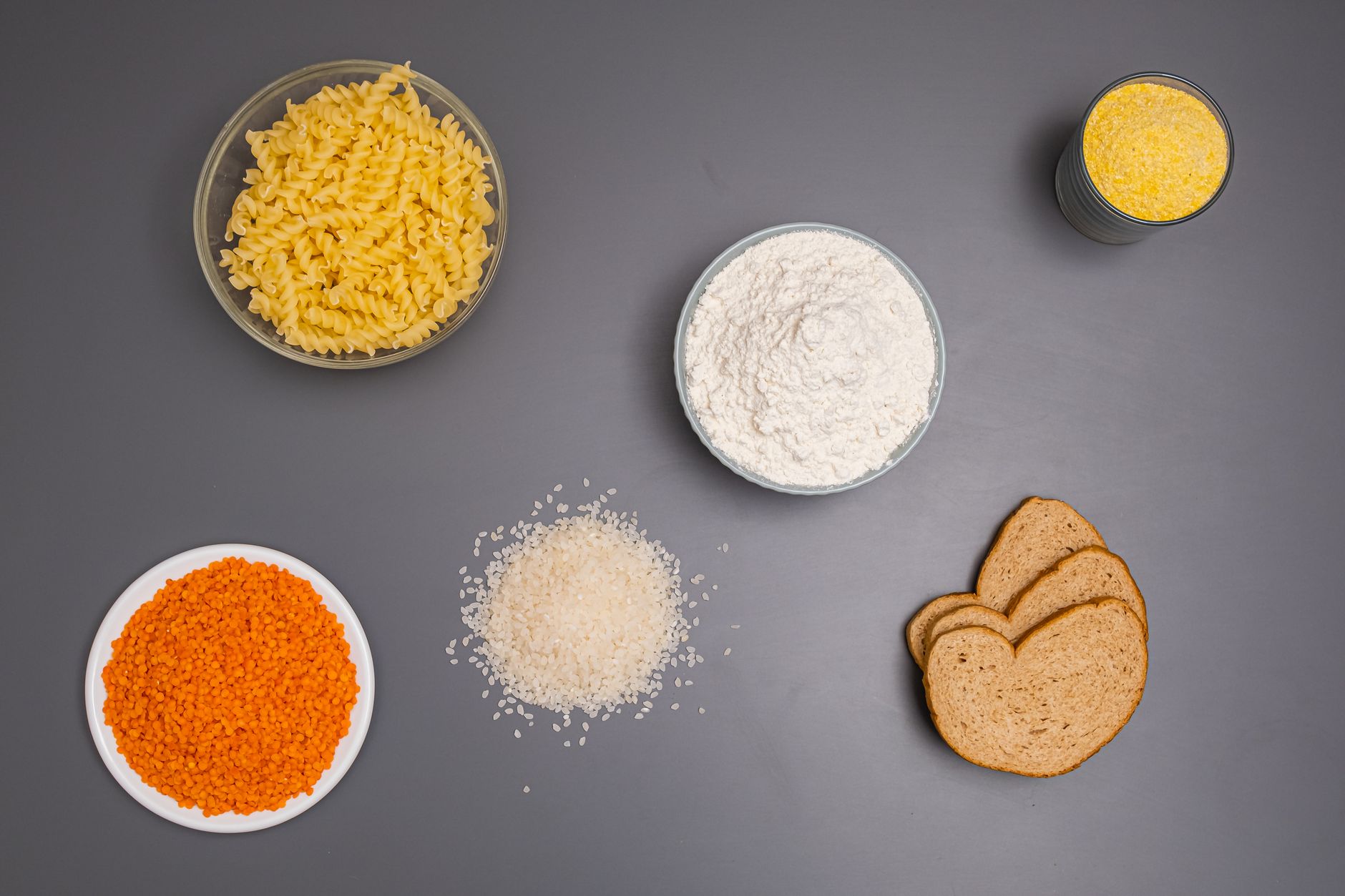
Sweet potatoes, rice in small portions, whole-grain toast, bananas. Carbs aren't the enemy here — they're just the thing you add after protein and produce are handled.
The Zepbound rule of thumb: protein first, plants second, everything else only if there's room. Your appetite is now a small budget — spend it like one.
Foods to Limit or Skip
Nothing is banned forever, but these are the most common trouble-makers, especially during dose-increase weeks:
- Fried and greasy food — the number one nausea trigger reported by tirzepatide users. A slow-emptying stomach and a pile of fat do not get along.
- Very large portions — the "clean your plate" instinct now ends in hours of discomfort. Stop at satisfied, not full.
- Carbonated drinks — extra gas in a stomach that's already slow to empty means bloating and pressure.
- Alcohol — hits harder on a near-empty stomach, adds empty calories, and can worsen reflux and nausea.
- Ultra-processed snack foods — not because they're evil, but because they spend your tiny calorie budget on nothing. 400 calories of chips is a whole meal's worth of appetite gone.
A Sample Day of Eating on Zepbound
Here's what the list looks like in practice — roughly 1,100 calories and 100+ grams of protein:
- Morning: Greek yogurt with a handful of berries and a spoon of chia seeds.
- Midday: Two scrambled eggs with a slice of whole-grain toast.
- Afternoon: Clear protein drink or a cheese stick with an apple.
- Evening: Half a grilled chicken breast, roasted zucchini, small scoop of sweet potato.
- If room: Cottage cheese before bed — casein protein works for you overnight.
Notice what's missing: heroics. No 40-ingredient meal prep, no superfoods. Just protein anchors, cooked produce, and fluids, repeated in small portions.
The Hard Part Isn't Knowing — It's Tracking It
Here's the myth: "I'm eating so little, I don't need to track." Reality: tiny intake is exactly when tracking matters most, because the margin for error is gone. Miss your protein target three days running and you're losing muscle. Skip fiber for a week and you'll feel it.
The problem is that traditional trackers like MyFitnessPal and Lose It! make logging half a chicken breast and three bites of rice a two-minute database safari — and their red "you're under-eating!" warnings are useless noise on tirzepatide. HealthyOne was built for exactly this: snap a photo or say "half a chicken breast and some zucchini," and the AI logs it in seconds with 50+ nutrients calculated — protein, fiber, magnesium, B12, the works. The dashboard puts protein first, flags micronutrient gaps before they become deficiencies, and never scolds you for small meals. It syncs with Apple Health and Google Health Connect, and a fasting tracker handles the longer gaps between meals that Zepbound naturally creates.
The Bottom Line
Zepbound decides how much you eat. You still decide what. Build every small meal around a protein anchor, keep fiber and fluids coming, go easy on grease and bubbles, and track it — because at 1,000 calories a day, guessing is how muscle loss and nutrient gaps sneak in. The medication is doing its job. This food list is yours.
Considering a GLP-1? Talk to a licensed clinician online.
ShedRx pairs you with a licensed clinician for semaglutide or tirzepatide weight-loss treatment, plus health coaching and supplements — all shipped to your door. Available in all 50 states.
Start your ShedRx visit →Want to compare options? See bmiMD personalized GLP-1 telehealth →
This section contains affiliate links. HealthyOne may earn a commission if you sign up through them, at no extra cost to you. HealthyOne is not a medical provider; these are independent telehealth companies. Always consult a licensed clinician.
As an Amazon Associate, HealthyOne earns from qualifying purchases. Links on this page may earn us a small commission at no extra cost to you. We only suggest products we believe are genuinely useful.
Helpful for this:
- Whey protein powder — the easiest way to hit protein targets when appetite is low.
- Psyllium husk fiber — helps with the constipation many tirzepatide users experience.
- Sugar-free electrolyte powder — covers hydration when thirst cues go quiet.
Eat like Zepbound is working with you, not against you
Photo, voice, text, or barcode meal logging in seconds. Protein-first dashboard, 50+ nutrients, GLP-1 support. 7-day free trial, then $7.99/month.
Try HealthyOne FreeFAQ
What foods should you eat on Zepbound?
Prioritize lean protein at every meal — eggs, Greek yogurt, chicken, fish, cottage cheese, tofu — because muscle loss is the biggest risk during rapid weight loss. Add fiber from vegetables, berries, oats, and beans to manage constipation, and keep hydration up with water, broth, and electrolyte drinks. Small, protein-first meals are easier to tolerate than three large ones.
What foods should you avoid on Zepbound?
Greasy, fried, and very high-fat foods are the most common nausea triggers on tirzepatide because they sit in a stomach that's already emptying slowly. Carbonated drinks, alcohol, and very large portions also commonly cause discomfort. You don't have to ban any food forever — most people do best limiting these during dose-increase weeks.
How much protein do you need on Zepbound?
Many clinicians suggest roughly 0.7 to 1.0 grams of protein per pound of lean body mass while losing weight on a GLP-1 medication, spread across the day in small servings of 15 to 30 grams per meal. Because Zepbound shrinks appetite dramatically, hitting that target usually requires making protein the first thing on your plate at every meal. Confirm your personal target with your clinician.
Can you eat carbs on Zepbound?
Yes — carbs aren't the enemy on tirzepatide. The rule is sequencing: handle protein and produce first, then add gentle carbs like sweet potato, rice, whole-grain toast, or banana if there's room in your small appetite budget. The goal isn't a low-carb diet; it's making sure your limited intake covers protein and fiber before it gets spent on refined carbs.
What does a sample day of eating on Zepbound look like?
A practical day lands around 1,100 calories and 100+ grams of protein: Greek yogurt with berries in the morning, two scrambled eggs with toast midday, a protein drink or cheese stick with an apple in the afternoon, and half a grilled chicken breast with roasted zucchini and a little sweet potato in the evening. If there's room, cottage cheese before bed adds slow-digesting casein. The same protein-first approach works on a Mounjaro food list, since both are tirzepatide.