Protein Shakes on Wegovy and Zepbound: 8 Nausea-Safe Recipes (2026)
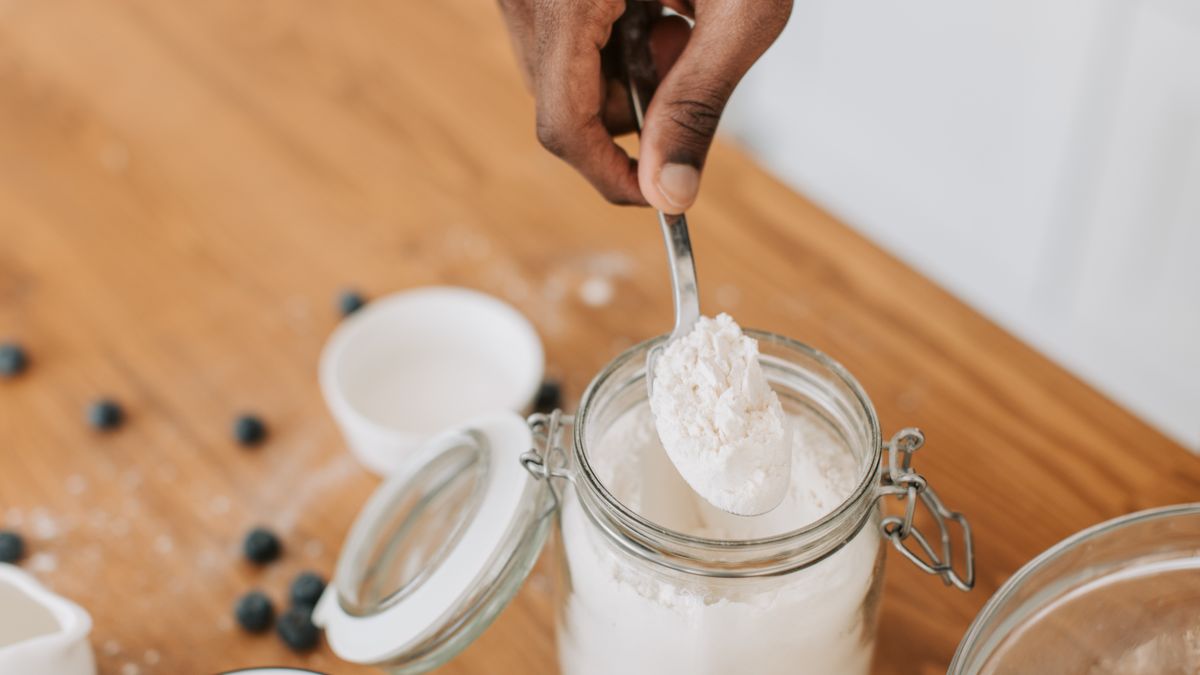
A protein shake is the most useful food on a GLP-1 and the most misused one. On Ozempic, Wegovy, Mounjaro or Zepbound your meals shrink to a few bites, protein is the first thing that falls short, and a shake is often the only way to get 25 grams into a stomach that does not want solid food. The misused part is the shake most people make: a whole banana, two spoons of peanut butter, whole milk, honey, chugged in four minutes. That is 600 calories of mostly sugar and fat, and on a slow stomach it sits like a brick.
This is the version that works: how to read the label, which protein sits best, how to drink one without nausea, and eight recipes under 250 calories that still deliver 25 to 33 grams of protein.
The Label Test: Four Numbers That Matter
Flip the tub or the bottle over and check these four lines. Everything on the front, from "lean" to "metabolism support," is marketing.
- Protein: 25 grams or more per serving. Roughly a quarter of a day's target on a GLP-1. A "shake" with 10 grams is a flavored drink.
- Sugar: under 5 grams. Sugar is what makes a shake queasy on a slow stomach. Check "added sugars"; the few grams from milk are fine.
- Calories: under 200 for a powder serving, under 250 for a ready-to-drink. A shake is a protein bridge, not a dessert.
- Fat: under 5 grams. Fat slows stomach emptying, and yours is already at half speed.
If a powder passes those four numbers, it passes. Brand, price and the athlete on the label do not change how it sits in your stomach.
Whey Isolate vs Plant vs Milk Protein: Which Sits Best on a GLP-1
Protein type matters more on these medications than it did before, because "digests fast and light" versus "digests slow and heavy" is the difference between a normal afternoon and a nauseous one.
- Whey isolate — 25 g per scoop, about 110 calories. The lightest, fastest-digesting option and the one most GLP-1 users tolerate best. Nearly all the lactose is filtered out, and it mixes thin in water, which is what you want.
- Whey concentrate — 20 to 24 g per scoop, 120 to 140 calories. Cheaper, a little more fat and lactose. Fine when your stomach is calm, harder on dose-increase weeks.
- Casein or "milk protein" — 24 g per scoop. Digests slowly and thickens into a pudding. Too heavy for a nausea day.
- Pea or plant blends — 20 to 24 g per scoop, 120 to 150 calories. The right call if dairy bothers you. Pick a blend (pea plus rice, or pea plus pumpkin seed) so the amino acid profile is complete, and use more liquid because they mix thicker.
- Egg white protein — 24 g per scoop, dairy-free and very light.
- Collagen — not a protein shake. It lacks the amino acids muscle needs, so do not count it toward your protein floor.
New to shakes? Start with an unflavored or vanilla whey isolate. It goes into anything and is the easiest to tolerate on the weeks the dose goes up. For what else belongs on the plate, the Wegovy food list and the Zepbound food list rank every food by how it sits.
How to Drink a Protein Shake Without Nausea
Most "protein shakes make me sick on Wegovy" problems are the speed, the temperature and the size, not the shake. Fix these five before you blame the powder.
- Sip it over an hour, not ten minutes. The single biggest fix. A 12-ounce shake chugged on a GLP-1 lands in a stomach that will not move it along, and the pressure is what triggers the queasy wave. Pour it into a bottle and sip it at your desk like coffee.
- Make it thin. Use 10 to 12 ounces of liquid per scoop. If you want it thick, add ice, not more yogurt or banana.
- Keep it cold. Cold liquids go down easier on a slow stomach. Blend with ice or keep the bottles in the fridge.
- Half a shake is a serving on a bad day. On dose-increase weeks, 12 to 15 grams sipped slowly beats 30 grams you cannot keep down. Drink half, wait an hour, drink the rest.
- Do not stack it on a meal. Two hours after food, not right after. The stomach is still working on lunch for a long time on these medications, and a shake on top of a meal is how reflux starts.
If a shake still comes back up after all five, switch from concentrate to whey isolate or egg white protein, and read the GLP-1 nausea food guide for the foods that sit well on the roughest days. Nausea that lasts more than a few days or keeps you from drinking water is a question for your prescriber, not a recipe problem.
8 GLP-1 Protein Shake Recipes Under 250 Calories
Every recipe uses one scoop of whey isolate unless noted, about 25 grams of protein and 110 calories. Swap in a plant blend if you need dairy-free; the numbers shift by a few grams. Blend with a handful of ice and more liquid than you think.
- The Plain Base — 1 scoop vanilla isolate, 10 oz cold water, ice. 25 g protein, about 110 calories. The one for the worst nausea day. Boring is the point.
- Cold Brew Protein Coffee — 1 scoop vanilla or chocolate isolate, 6 oz cold brew, 4 oz skim milk, ice. 29 g protein, about 150 calories. Replaces the breakfast you were going to skip anyway.
- Berry Yogurt Shake — half scoop vanilla isolate, half cup nonfat Greek yogurt, half cup frozen mixed berries, 6 oz water. 24 g protein, about 160 calories. Creamy without the fat of whole milk.
- Chocolate Peanut Butter, the Right Way — 1 scoop chocolate isolate, 2 tablespoons peanut butter powder, 10 oz unsweetened almond milk, ice. 31 g protein, about 195 calories. Powdered peanut butter gives the flavor for a fifth of the fat.
- Pumpkin Spice Shake — 1 scoop vanilla isolate, quarter cup canned pumpkin puree, 8 oz skim milk, half teaspoon pumpkin pie spice, ice. 33 g protein, about 210 calories. Seasonal, fiber from the pumpkin, and tastes like the coffee-shop drink with 50 grams of sugar.
- Half-Banana Oat Shake — 1 scoop vanilla isolate, half a small banana, 1 tablespoon quick oats, 10 oz unsweetened almond milk, cinnamon. 26 g protein, about 225 calories. Half the banana is the trick; a whole one adds 50 calories of sugar and makes it too thick to sip.
- Ginger Lemon Green Shake — 1 scoop unflavored or vanilla isolate, 10 oz water, a small handful of spinach, a thin slice of fresh ginger, a squeeze of lemon, ice. 25 g protein, about 130 calories. Ginger is a common home remedy for queasiness and the lemon cuts the powder taste.
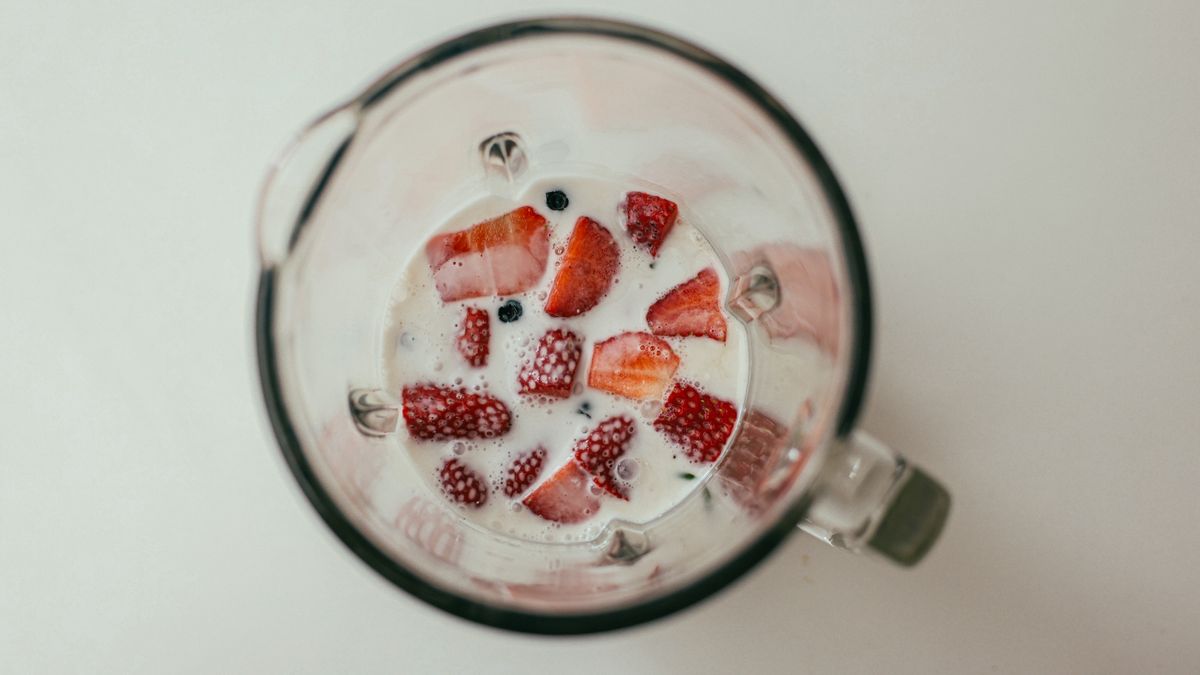
- Strawberry Cheesecake Shake — half cup low-fat cottage cheese, half scoop vanilla isolate, 4 oz skim milk, quarter cup frozen strawberries, a drop of vanilla extract. 29 g protein, about 200 calories. Blend longer than feels necessary; the cottage cheese turns completely smooth.
Keep the ingredients for two or three of these on hand and a 25-gram option is always ready. The GLP-1 snacks list covers the solid-food version for the hours between.
Ready-to-Drink Shakes: When You Will Not Blend
Ready-to-drink bottles are the honest answer for most people on a GLP-1, because the blender is one more step on a morning with no appetite. Apply the same label test. Most ultrafiltered-milk and whey-based bottles in the pharmacy aisle pass; most "nutrition shakes" marketed to older adults do not, because they are built to add calories, not protein.
- Ultrafiltered milk protein shakes — usually 26 to 30 g protein, 150 to 170 calories, 2 to 3 g sugar. Keep a six-pack cold. Drink half, cap it, finish later.
- Clear whey isolate drinks — 20 to 25 g, under 100 calories, juice-like instead of milky. The pick when anything creamy turns your stomach.
- Single-serve powder packets — a scoop in a shaker bottle with tap water. No blender, no fridge, no excuse.
- Protein hot chocolate — a scoop of chocolate isolate whisked into 8 oz of hot (not boiling) water or skim milk. Warm liquids go down easy on a cold morning, 25 to 33 g for under 200 calories.
As an Amazon Associate, HealthyOne earns from qualifying purchases. Links on this page may earn us a small commission at no extra cost to you. We only suggest products we believe are genuinely useful.
Helpful for this:
- Fairlife Nutrition Plan shakes — 30g protein in a small, cold bottle — easy to finish when solid food feels heavy.
- Premier Protein shakes — a widely available 30g ready-to-drink option to keep in the fridge.
- Clear whey isolate — a juice-like protein drink that many people find lighter than creamy shakes.
- Shaker bottle — mixes powder smoothly without a blender, so a shake takes 30 seconds.
What to Skip
None of these are forbidden. All of them are the shakes people regret on a GLP-1, especially the week after a dose goes up.
- The 600-calorie peanut butter banana shake — whole banana, 2 tablespoons real peanut butter, 12 oz whole milk, honey, oats. About 600 calories, 30 g of sugar, 25 g of fat, and it spends your whole day's appetite on 20 g of protein.
- Smoothie-shop smoothies — 24 ounces, 400 to 600 calories, built on juice and frozen yogurt with "protein boost" as an afterthought. Too big to sip, too sweet to sit.
- Mass gainer powders — 600 to 1,200 calories per serving. They exist to make people gain weight.
- Sugar-first "nutrition shakes" — 10 g protein, 20 g sugar, 350 calories. Built for the opposite problem.
- Carbonated protein water and sugar-alcohol bombs — fizz expands in a stomach that is not moving, and 15 g of sugar alcohols in one bottle means bloating on a gut that is already slow.
- Chugging any shake — a perfect recipe still comes back up if it goes down in three minutes. Sip.
Why a Shake Is Not a Meal Plan
A shake fixes one meal. It does not tell you whether the day added up. The pattern on Mounjaro and Zepbound is a shake at breakfast, four bites of lunch, half a dinner, and a protein total of 55 grams when you thought it was 90. Over months, that gap is where muscle goes. Recipes tell you what to drink. They cannot tell you what you actually drank, or how far the day is from the floor at 4 PM when a second half-shake could still fix it.
How HealthyOne Closes the Gap
Say "half a vanilla protein shake" into HealthyOne and it is logged with the protein counted before the bottle is capped. Snap a photo of the blender, or scan the barcode on the bottle. GLP-1 mode raises your protein target to protect muscle while the weight comes off, the dashboard shows protein first instead of calories, and the 50-plus nutrient tracker catches the fiber, iron and B12 that slip when half your food is liquid. It tells you at 4 PM that you are 30 grams short, the only moment that information is useful. The Mounjaro food list covers what fills the other half of the day.
FAQ
Can I drink protein shakes on Ozempic?
Yes, and for most people they are the most reliable way to reach the protein target when meals are only a few bites. Pick one with at least 25 grams of protein, under 5 grams of sugar and under 200 calories, sip it over an hour instead of chugging it, and keep it two hours away from a meal so it does not stack on top of food in a slow stomach.
Why does a protein shake make me nauseous on Wegovy?
Usually it is the speed, size or fat, not the protein. A thick 12-ounce shake drunk in ten minutes lands in a stomach that empties slowly, and the pressure triggers the queasy wave. Make it thin, make it cold, drink half and wait an hour, and switch from whey concentrate to whey isolate or egg white protein, which digest lighter. If nausea lasts more than a few days or you cannot keep water down, talk to your prescriber.
Is whey or plant protein better on Mounjaro?
Whey isolate is the lightest and the one most people on Mounjaro or Zepbound tolerate best, because nearly all the lactose and fat are filtered out. If dairy bothers you, a pea-and-rice or pea-and-pumpkin blend gives a complete amino acid profile; use extra liquid because plant powders mix thicker. Collagen does not count toward your protein target either way.
Can I replace a meal with a protein shake on Zepbound?
On a day when you cannot face solid food, a 25 to 30 gram shake is a better meal than skipping. As a daily habit, use it to replace one meal at most and keep the other meals built on real protein foods, because a shake carries almost none of the fiber, iron and other nutrients a small plate of chicken, beans and vegetables does. Any question about changing how much you eat overall belongs with your prescriber.
The Bottom Line
A protein shake on a GLP-1 is a 25-gram bridge, not a dessert and not a meal plan. Pick a powder or bottle that passes the four-number label test, lean on whey isolate or a plant blend, keep it thin and cold, sip it over an hour and never right after a meal, and skip the 600-calorie peanut butter banana version that made shakes feel like a mistake. Then count it, because the shake you remember drinking and the 90 grams you think you reached are often 30 grams apart, and a tool that puts protein first shows you the gap while a second half-shake can still close it.
See whether today's shake actually closed the protein gap
Say "half a vanilla protein shake" and HealthyOne logs it with the protein counted. AI photo and voice meal logging, GLP-1 mode, a protein-first dashboard and 50+ nutrients. 7-day free trial.
Try HealthyOne Free