4 Subtle Signs You Aren't Eating Enough Protein
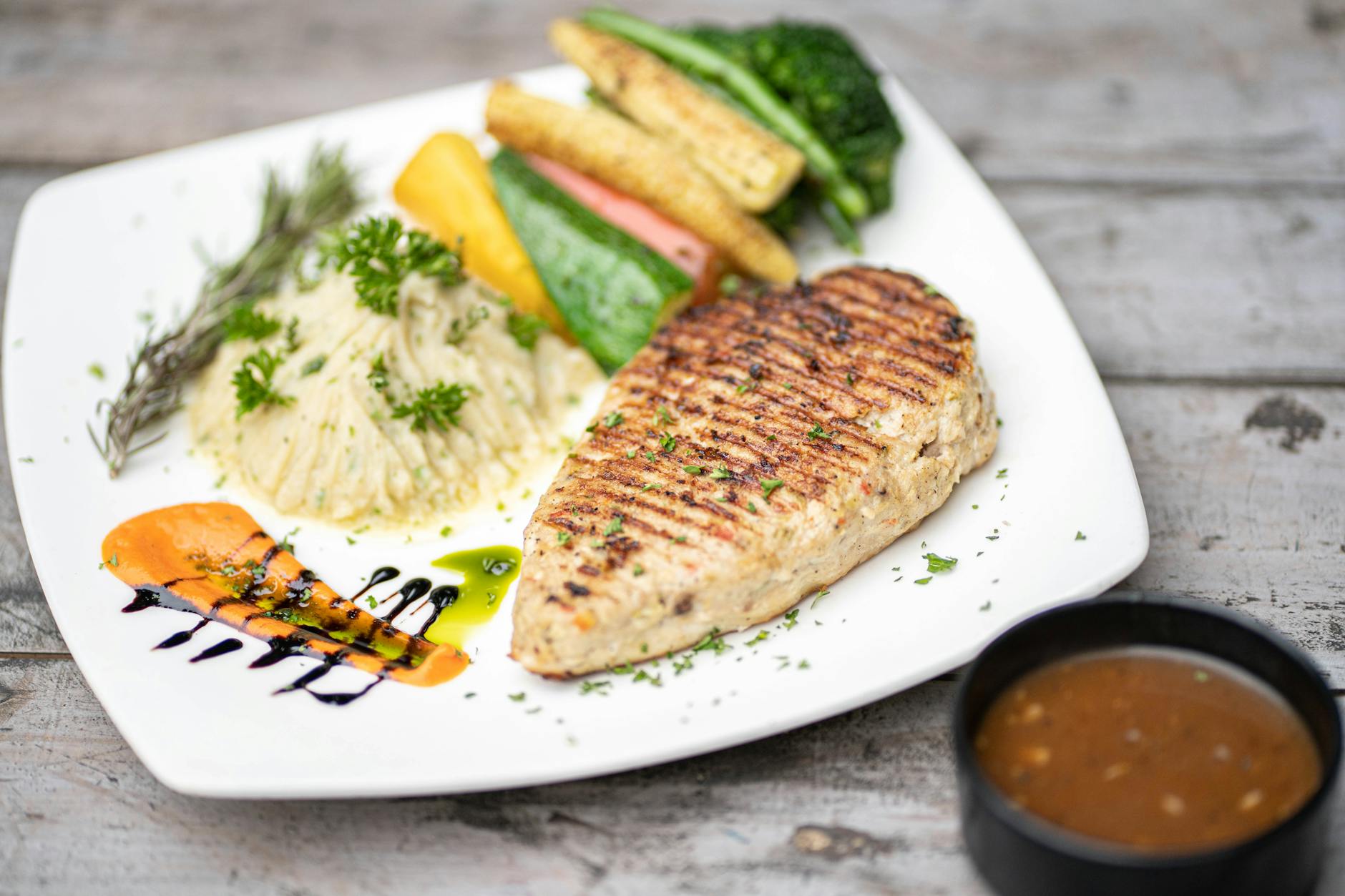
Most people who are under-eating protein have no idea. There's no flashing red light. Your bloodwork looks fine. You're not falling over. You just feel slightly off — a little more tired, a little hungrier, hair shedding a bit more in the shower — and you blame stress, age, or sleep.
The truth is most adults eat far less protein than the body needs to stay strong, especially after 40 and especially during weight loss. The signs are quiet, easy to dismiss, and they show up before any bloodwork would catch them. Here are four of the most common.
1. You're Hungry 90 Minutes After You Just Ate
Protein is the most filling macronutrient, gram for gram. It triggers satiety hormones — GLP-1, peptide YY, cholecystokinin — that signal your brain to stop looking for food. Carbohydrates and fats produce a much weaker satiety signal, especially when eaten alone.
If your "lunch" was a bagel, a granola bar, or a salad with no real protein on top, your body isn't going to feel fed. You'll be hungry by 2pm. You'll graze. You'll think you have a willpower problem when you actually have a macronutrient problem.
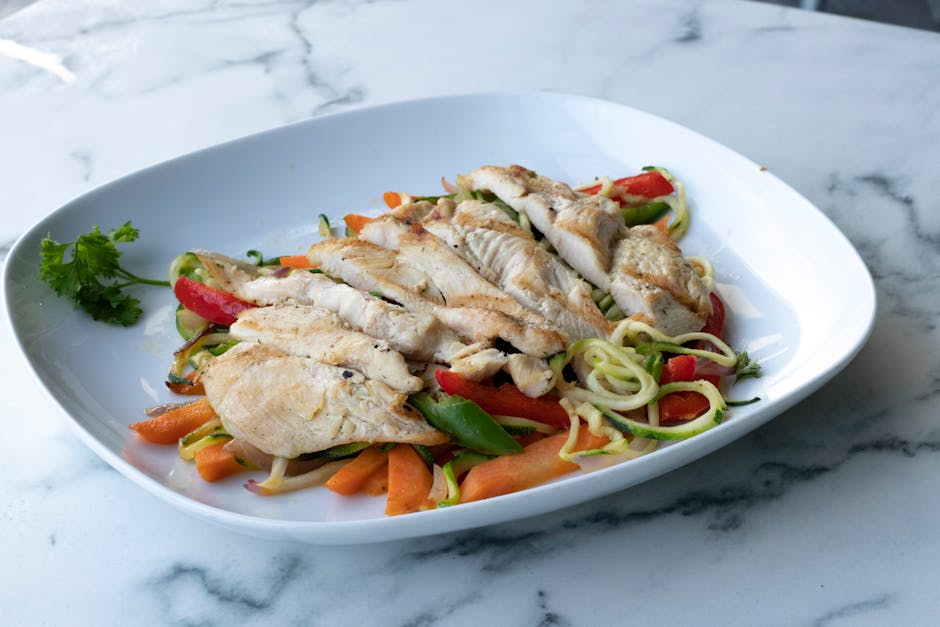
The fix is shockingly simple: aim for 25–35 grams of protein per meal. That's roughly 4 oz of chicken, a 6-oz Greek yogurt cup, three eggs, or a scoop and a half of whey. When meals hit that threshold, between-meal hunger usually drops within a week.

2. Your Hair Is Shedding More Than Usual
Hair is almost entirely made of keratin, a protein. When your body has to triage limited amino acids, hair growth is one of the first systems it deprioritizes. Vital organs come first, hair comes last.
Diffuse shedding — more strands in the brush, the shower drain, your pillow — that started a few months after a diet change is a classic low-protein signal. Same with brittle nails that peel or split, and slower-than-usual nail growth. Neither is dramatic. Both are easy to write off as "just getting older."
If you've recently cut calories, started a GLP-1 medication, or shifted toward a plant-heavy eating pattern without deliberately upping legumes, soy, or supplements, this is the symptom to watch.
3. Your Workouts Feel Harder and Recovery Drags
Protein is what muscle is built from. When intake is too low, you don't just stop building — you start losing. The first thing you'll notice isn't the mirror. It's the gym.
Sets that used to feel routine feel heavy. Soreness from a normal workout sticks around for three days instead of one. Strength numbers stop climbing or quietly slip. None of this is "overtraining" — it's the body trying to repair muscle tissue without enough raw material to do it.
This sign is loudest for anyone losing weight. Roughly 25 percent of weight lost in a calorie deficit can come from lean mass if protein is too low, and that fraction can climb above 40 percent on rapid-loss protocols, including GLP-1 medications. Protein is the lever that protects muscle while the scale moves down.
4. You Get Cravings — Especially Sweet — in the Afternoon
The 3pm cookie isn't always a willpower failure. It's frequently a blood-sugar story driven by a low-protein lunch.
A meal heavy in refined carbs and light in protein produces a fast glucose rise and a fast crash. The crash triggers cravings for the quickest fix the brain knows: more sugar. The loop runs all afternoon. Add in low satiety from missing protein, and the cookie wins every time.
The same lunch with 30 grams of protein bolted on — chicken in the salad, eggs on the avocado toast, Greek yogurt instead of granola — flattens the glucose curve and shuts down most of the cravings. People are often surprised at how much of their "sugar addiction" was just under-fueled mornings.
The standard nutrition label RDA of 0.36 grams per pound of body weight is the bare minimum to prevent deficiency in a sedentary 25-year-old. For active adults, anyone over 40, and anyone losing weight, the working number is closer to 0.7–1.0 grams per pound of goal body weight.
How Much Protein Do You Actually Need?
Here's the rough working math most current research supports:
- Sedentary adult: 0.5–0.7 grams per pound of body weight per day.
- Active adult or strength training: 0.7–1.0 grams per pound of goal body weight.
- Older adult (60+): 0.7+ grams per pound — protein needs go up with age, not down.
- Weight loss or GLP-1 user: 0.8–1.0 grams per pound of goal body weight, prioritized at every meal.
For a 170-pound active adult, that's roughly 120–170 grams a day. Most people eat 60–80 and assume they're fine.

Why HealthyOne Puts Protein First
Most nutrition apps lead with calories. We don't. HealthyOne's daily dashboard puts protein at the top because it's the metric that actually shapes outcomes — fullness, energy, recovery, muscle retention, hair, nails, and the cravings loop. Calories are still tracked, but as a secondary number.
Photo, voice, text, or barcode — every meal log returns the full nutrient profile across 50+ nutrients, with protein as the hero metric. The Power Score weights it heavily. The squad gamification celebrates protein streaks. And for GLP-1 users, the dose-aware target adjusts to the higher protein needs of rapid weight loss.
If three of the four signs above sound familiar, fix the input before you spend money on bloodwork or supplements. A week of measured intake usually answers the question.
Track protein the way it actually matters
Protein-first dashboard. Photo, voice, text, and barcode logging. 50+ nutrients per meal. 7-day free trial, then $7.99/month.
Try HealthyOne Free