The Best Calorie Counter App in 2026 (And Why Counting Calories Isn't Enough)
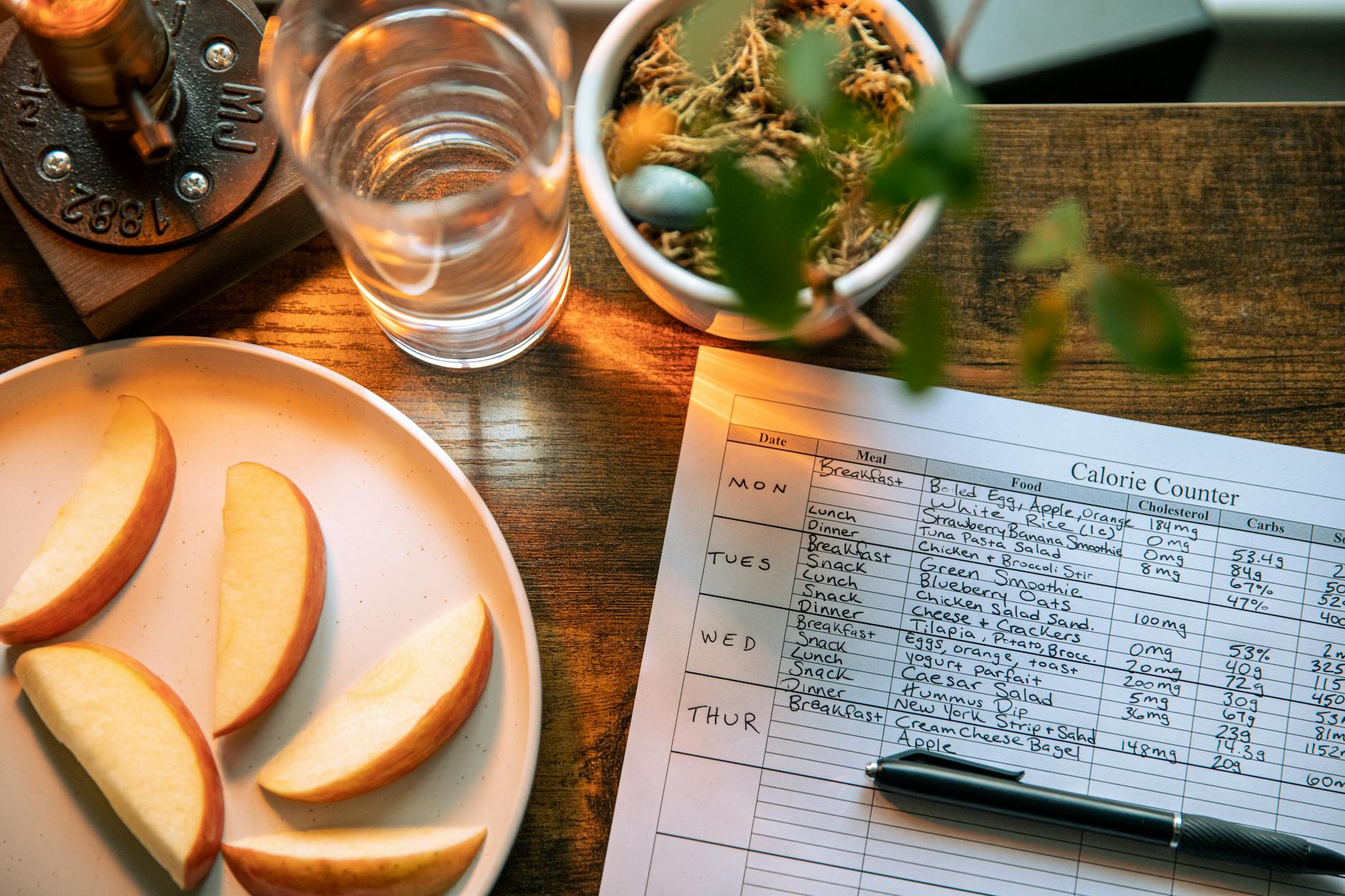
You've downloaded a calorie tracker before. Maybe two or three. You used it hard for about nine days, missed a couple of entries on a busy weekend, opened it on day twelve to a wall of empty boxes, and quietly stopped. The app didn't fail because the math was wrong. It failed because logging was a chore and one bad day made the whole thing feel pointless.
That is the real problem a calorie tracker has to solve in 2026. Not "how do we add up numbers" — every app can do that. The problem is staying logged past week two, and getting back on track when you slip. Here's what actually separates a calorie tracker you'll keep from one you'll abandon.
What a Calorie Tracker Should Do in 2026
The bar has moved. AI got good, phones got cameras worth using, and there is no excuse anymore for the old type-and-search grind. Here's the checklist.
Log a Meal in Under 10 Seconds
This is the whole game. If logging a sandwich takes 90 seconds of searching a database, scrolling past 40 near-matches, and guessing whether yours is the "generic" or "homestyle" entry, you will not do it three times a day for a month. The friction has to be close to zero. Snap a photo. Say what you ate out loud. Type one plain sentence. Scan a barcode. If your calorie tracker still makes you hunt through a search box, it's a 2015 app wearing a 2026 icon.
Get the Calories Right Without a Database Hunt
Speed is worthless if the number is wrong. A good calorie tracker uses AI to estimate portion size and ingredients from a photo or description, cross-checks against real nutrition databases, and gives you a number you can trust without you doing the detective work. You should be able to correct it in one tap if it's off — but most of the time it shouldn't be off.
Show Calories in Context
A calorie total alone tells you almost nothing. Eighteen hundred calories of grilled chicken, rice, and vegetables is a very different day than 1,800 calories of pastries. Your tracker should show calories next to protein, fiber, and the nutrients that actually drive how you feel. Calories are the headline. They should never be the whole story.
The best calorie tracker isn't the one with the biggest food database. It's the one you'll still be using in March. Consistency beats precision every single time — a rough number logged every day will out-perform a perfect number logged twice a week.
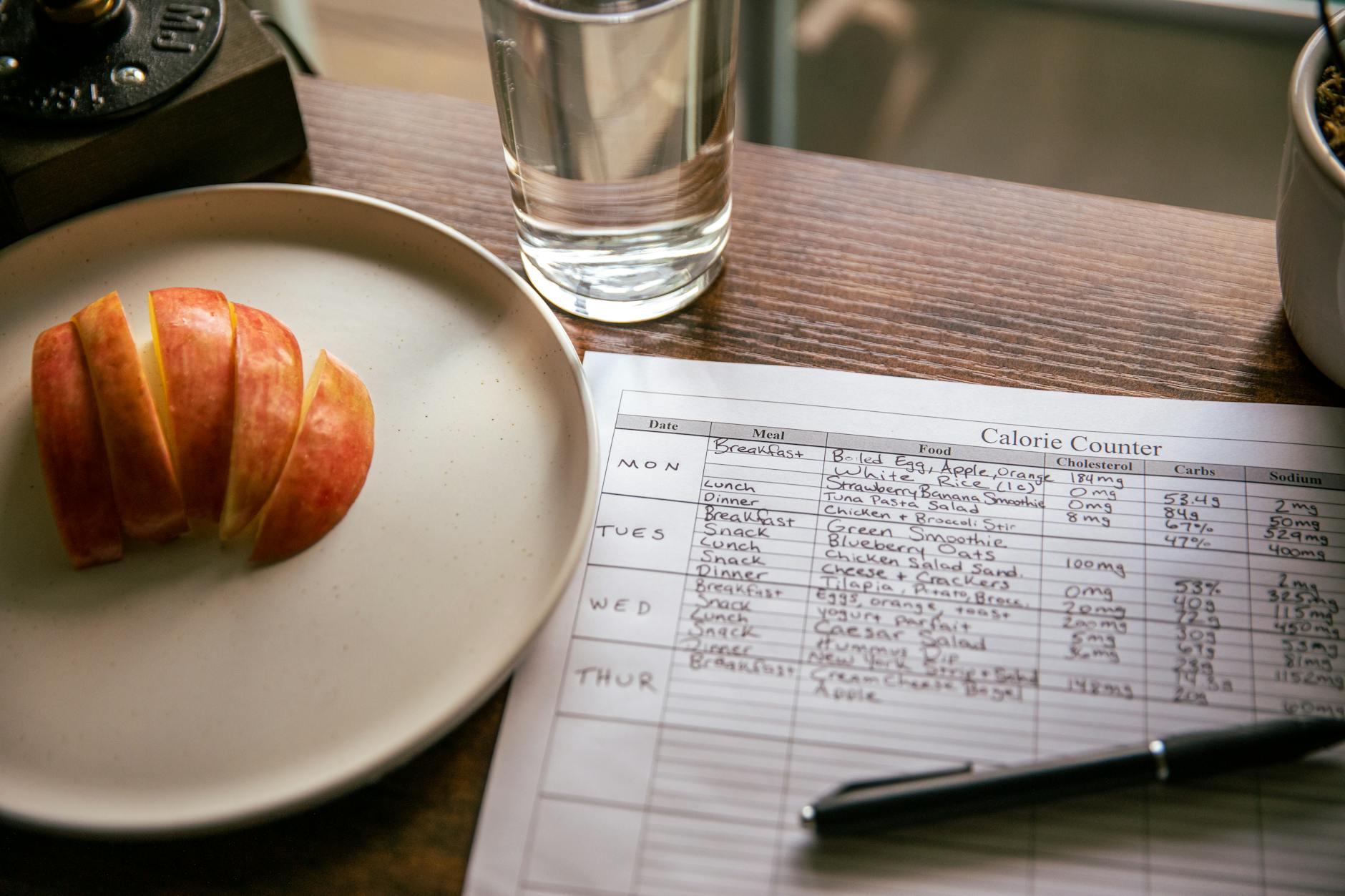
Why Most Calorie Trackers Make You Quit
Here's the honest read on the apps people default to:
- MyFitnessPal has the largest database in the business, and that's also its weakness — search results are cluttered with duplicate, crowd-sourced entries of wildly different accuracy. Logging is slow, and the best features keep migrating behind the paywall.
- Lose It! is cleaner and a little faster, but it's still fundamentally a search-and-tap app. Photo logging exists but feels bolted on, and a missed day still greets you with a guilt-trip of blank screens.
- Noom isn't really a calorie tracker — it's a psychology course with a tracker attached. If you just want fast, accurate logging, you're paying premium prices for daily lessons you didn't ask for.
- Cronometer is excellent for nutrient depth and accuracy, which makes it slower for everyday use. It's a tool for people who love data entry, not people who dread it.
Notice the pattern. None of these apps fail at arithmetic. They fail at friction and at forgiveness — they make logging tedious, and they make a missed day feel like a verdict.
How HealthyOne Tracks Calories Differently
We built HealthyOne as a "get back on track" system, not a streak you can shatter. Here's what that looks like when calories are what you care about.
AI Meal Logging — Photo, Voice, Text, or Barcode
Four ways to log, all built around the under-10-seconds rule. Snap a photo of your plate. Say "two eggs, toast, and a coffee with milk." Type a quick sentence. Or scan a barcode. The Gemini-powered AI estimates the calories and 50+ nutrients automatically — no database search, no portion roulette. Pick whichever method matches the moment.
Calories Plus 50+ Nutrients
Every meal you log returns a calorie count and a full nutrient breakdown — protein, fiber, micronutrients, and a heart health view. You see calories in context without any extra work, so the number actually means something.
A Power Score Instead of a Guilt Trip
Instead of a calorie total glowing red the moment you go over, HealthyOne rolls your day into a Power Score — a single number that rewards consistency, nutrient quality, and showing up. Your avatar levels up as you build the habit. It's progress you can feel, not a budget you're constantly failing.
Get Back on Track After a Bad Day
This is the feature most calorie trackers refuse to build. One blowout weekend should not end your tracking. HealthyOne is designed around the reset — a missed day or a heavy day is just data, the app meets you where you are the next morning, and squad gamification gives you people pulling the same direction. The core promise is simple: never restart your health again.
Calorie Tracking on a GLP-1 Medication
If you're on Ozempic, Wegovy, Mounjaro, or Zepbound, a plain calorie tracker can actively work against you. These drugs cut your appetite hard, so a low calorie total isn't a problem to fix — it's expected. What matters is hitting your protein target inside small meals so you don't lose muscle, and watching for nutrient gaps. HealthyOne flips the dashboard for GLP-1 users so protein and nutrients lead and calories sit in support. The same fast logging, a smarter set of priorities.
The Best Calorie Counter Apps for 2026, Ranked
If you searched for a calorie counter for 2026 and want the short version, here's how the main options stack up on the thing that actually decides whether you stick with it — logging friction:
- HealthyOne — best overall calorie counter for 2026 if you hate database hunting. Photo, voice, text, or barcode logging in under 10 seconds, calories plus 50+ nutrients, and a reset built in for the day you slip.
- MyFitnessPal — biggest food database, best for barcode scanning of packaged products, but slow search and the best features keep moving behind the paywall.
- Lose It! — clean and friendly, a solid free calorie counter to start with, though it's still fundamentally a search-and-tap app.
- Cronometer — the most accurate calorie and micronutrient counter, best for data lovers who don't mind slower manual entry.
The pattern: a calorie counter only works if counting takes seconds. Every app here can add up numbers — the one you'll keep is the one that makes logging effortless and forgives a missed day.
The Bottom Line
The best calorie counter app in 2026 isn't the one with the most foods or the strictest math. It's the one that makes logging take seconds, shows you calories in context, and hands you a way back after a bad day instead of a blank screen. Pick the tracker you'll still be opening in three months. That's the only one that ever changes anything. And if you think of yourself as a calorie counter rather than a tracker, the same rules apply — we cover that angle in our calorie counter app guide.
Frequently Asked Questions
What is the best calorie counter app in 2026?
The best calorie counter app in 2026 is the one with near-zero logging friction. HealthyOne counts calories from a photo, voice note, sentence, or barcode in under 10 seconds and returns 50+ nutrients alongside the calorie number, so you get context, not just a total. MyFitnessPal has the largest database but slow search, Lose It! is cleaner but still search-and-tap, and Cronometer is the most accurate but the slowest to log. Pick the counter you'll still open in March.
What is the best calorie tracker app in 2026?
The one you'll still use in three months. Look for sub-10-second logging (photo, voice, text, or barcode), AI portion estimates checked against real nutrition databases, and a design that helps you restart after a missed day instead of punishing you. HealthyOne is built around exactly those three things; MyFitnessPal, Lose It!, and Cronometer each trade speed for database depth.
What is the difference between a calorie tracker and a calorie counter?
In practice, they're the same category. "Calorie counter" usually describes apps focused on a daily calorie budget, while "calorie tracker" implies logging trends over time alongside protein, fiber, and other nutrients. A modern app should do both — count today's calories and track the bigger picture.
Is there a good free calorie tracker in 2026?
Yes. HealthyOne is free to download with a 7-day free trial of Plus, and MyFitnessPal and Lose It! both have free tiers. The catch with most free tiers is that the fast-logging features — photo recognition, barcode limits, voice input — sit behind the paywall, which is exactly where the time savings live.
What is the best app for tracking calories and protein together?
Pick a tracker that shows protein next to calories on the same screen with no extra taps. HealthyOne returns calories plus 50+ nutrients — including protein and fiber — from a single photo, voice, text, or barcode log. That matters for muscle retention, GLP-1 users, and anyone who cares about more than the calorie headline.
A calorie tracker you'll actually keep using
10-second logging by photo, voice, text, or barcode. Calories plus 50+ nutrients. A reset built in for the days you slip. 7-day free trial, then $7.99/month.
Try HealthyOne Free