GLP-1 Macros: How to Set Protein, Carbs, and Fat When Your Appetite Is Tiny
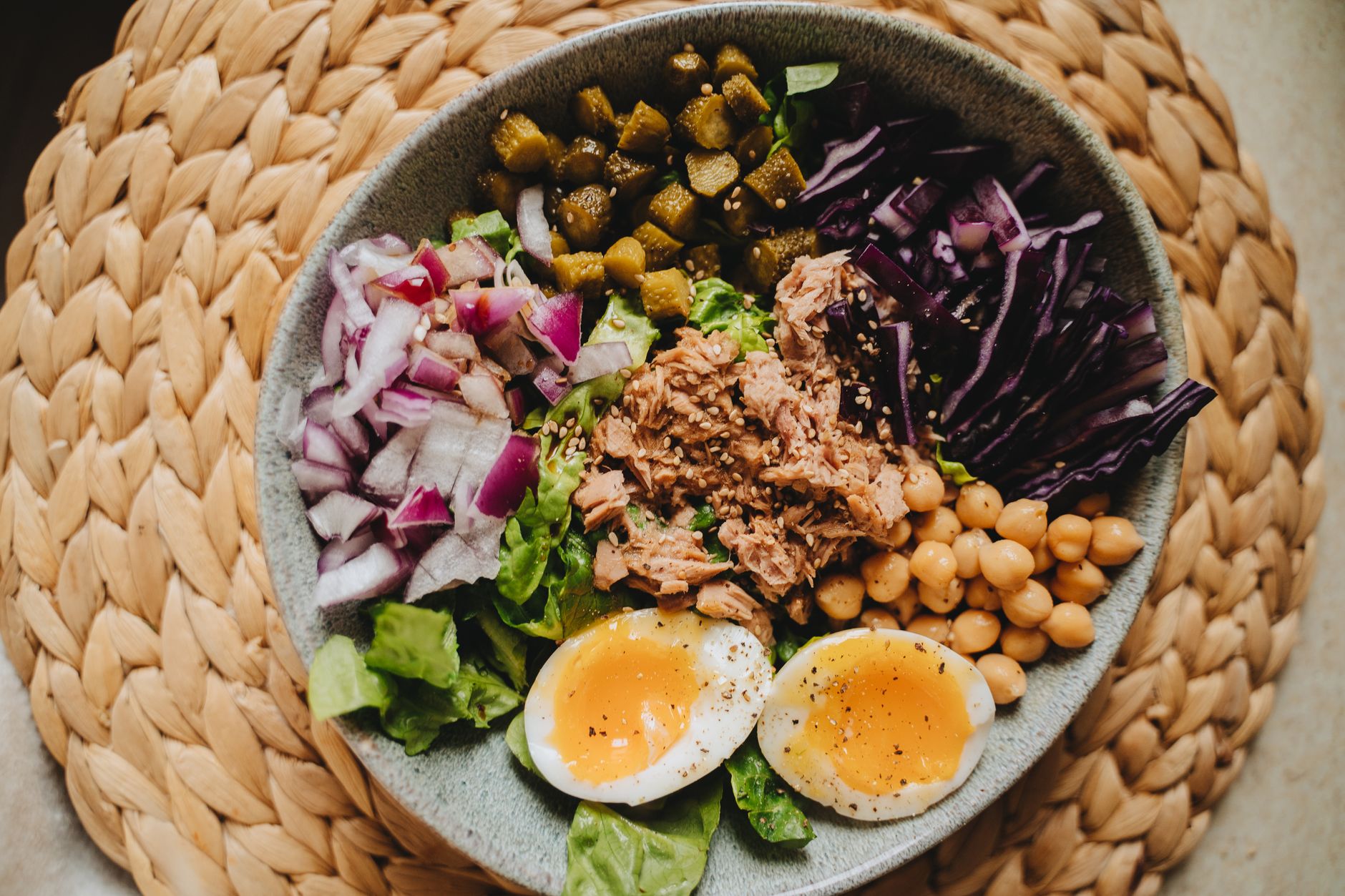
It is 7 p.m. and you have eaten 850 calories today. Half a Greek yogurt at breakfast, a few bites of chicken at lunch, and now dinner feels like a chore instead of a meal. You open your tracking app and it cheerfully reports you are at 32% protein. Sounds fine. It is not fine — 32% of 850 calories is 68 grams, and your muscles are quietly paying the difference.
This is the macro problem nobody warns you about when you start Ozempic, Wegovy, Mounjaro, or Zepbound. Every macro calculator on the internet was built for people eating 2,000 to 2,500 calories. On a GLP-1, you might be eating half that. The old rules do not shrink gracefully.
Why Percentage Macros Break on a GLP-1
The classic splits — 40/30/30, 50/25/25 — describe a ratio, not an amount. Your body does not care about ratios. It cares about grams. Muscle repair needs a fixed quantity of protein per day, and that quantity barely changes when your calories drop. Eat 30% protein at 2,200 calories and you get 165 grams — plenty. Eat the same 30% at 1,100 calories and you get 82 grams, which for many people is below the line where lean mass starts going out the door with the fat.
That distinction matters more on a GLP-1 than almost anywhere else in nutrition, because rapid weight loss without enough protein takes muscle with it. Losing muscle drops your strength, your metabolism, and the "toned" look most people are actually chasing. The medication controls how much you want to eat. Macros decide what the loss is made of.
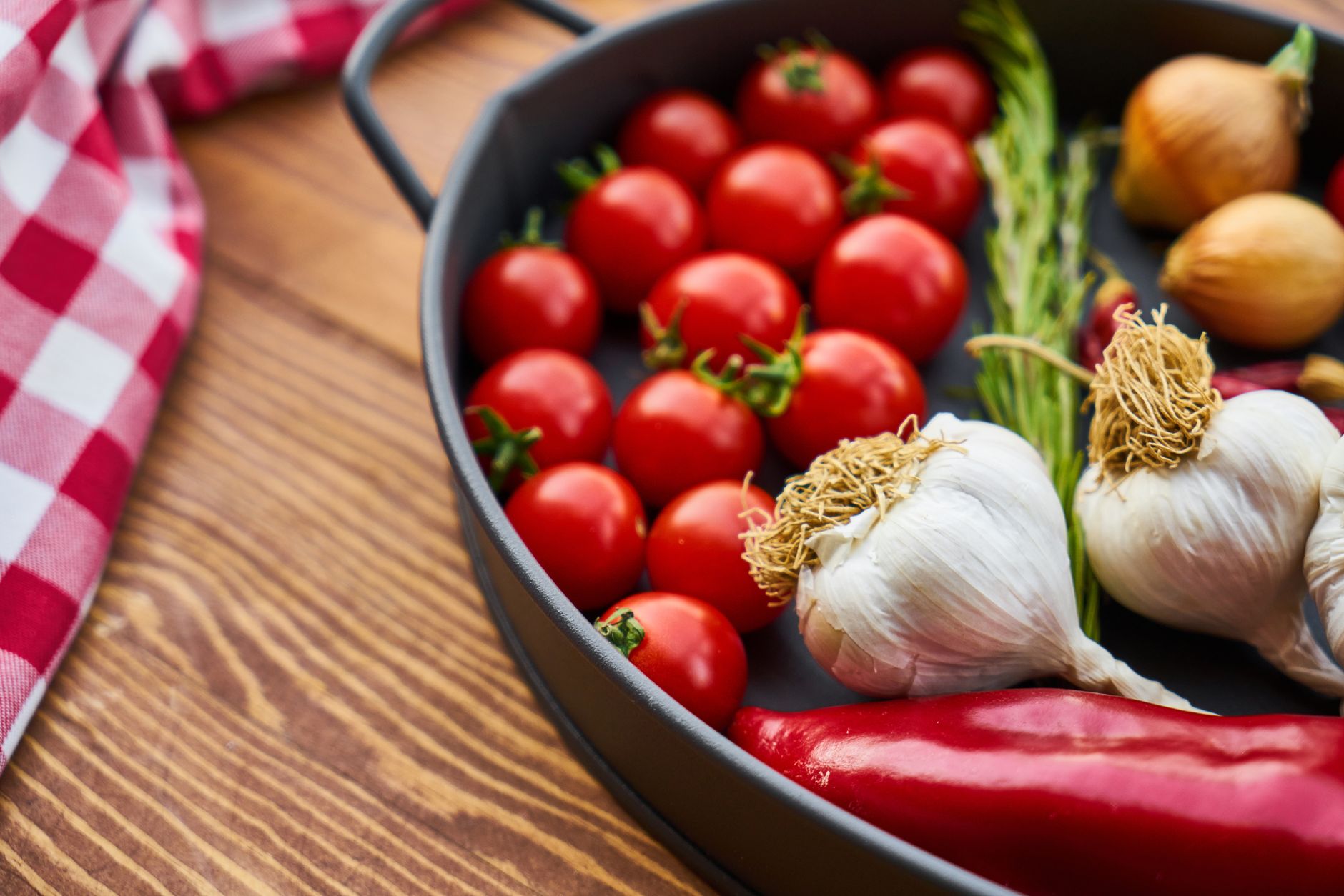
Set Your Macros in This Order
Forget the pie chart. On a GLP-1, macros are a priority list, set in grams, and protein goes first.
1. Protein Is a Floor, Not a Percentage
Many obesity-medicine clinicians suggest roughly 1.2 to 1.6 grams of protein per kilogram of body weight per day during GLP-1 weight loss, often framed as 25 to 30 grams per meal so it is achievable on a small appetite. For most people that lands between 75 and 120 grams a day. This is the number you protect daily — there is no protein reserve in your body to borrow from. Shakes, Greek yogurt, cottage cheese, and eggs count just as much as a chicken breast, and they are usually easier to face when nothing sounds good.
2. Fiber Is Your Second Number, and It Sets Your Carbs
Aim for about 25 grams of fiber, and let your carbohydrates organize themselves around fiber-dense sources: vegetables, berries, beans, oats. This is not carb-phobia — it is plumbing. Constipation is one of the most common GLP-1 complaints, and fiber plus water is the first-line fix. Carbs that arrive wrapped in fiber also digest more gently, which matters when your stomach is emptying slowly.
3. Fat Fills Whatever Is Left
Fat is not the enemy; it carries fat-soluble vitamins and keeps hormones working. But at nine calories per gram it is also the easiest place for a tiny calorie budget to vanish. Once protein and fiber are set, fat is your flexible lever — olive oil, avocado, nuts in measured amounts. You do not need a precise gram target as much as you need to stop it from silently eating your protein budget.
A realistic 1,150-calorie GLP-1 day: Greek yogurt with berries and chia (25g protein) · a ready-to-drink protein shake mid-day (30g) · a palm of rotisserie chicken with roasted vegetables and olive oil (35g) · cottage cheese before bed (12g). Around 100 grams of protein, roughly 25 grams of fiber, and the fat lands where it lands. No single meal is heroic — that is the point.
Myth vs. Reality
- Myth: "Carbs stall GLP-1 weight loss." Reality: Total calories drive loss. Fiber-rich carbs ease the constipation and energy dips that make people quit. The carb to limit is the ultra-processed kind that spends your tiny appetite on nothing.
- Myth: "Protein shakes are cheating." Reality: When your stomach allows 900 calories, a shake is not a shortcut — it is logistics. Hitting the floor matters more than how you hit it.
- Myth: "You have to track everything perfectly." Reality: Fat and carbs can be approximately right all week. Protein is the only macro worth checking daily, and a photo of your plate takes three seconds.
Where HealthyOne Fits
Macro tracking was designed for people who love spreadsheets. GLP-1 users need the opposite: minimum effort, maximum signal. MyFitnessPal locks gram-based custom macro goals behind its premium tier and still expects you to weigh and search every ingredient. Cronometer is brilliant on micronutrient detail but heavy for someone who just needs to know "did I hit my protein floor today?"
HealthyOne was built for the 850-calorie day. Snap a photo of the plate, speak it, type it, or scan a barcode — the AI does the gram math, including protein and fiber among 50+ tracked nutrients. The GLP-1 support features watch the numbers that actually matter on these medications, your Power Score tells you at a glance whether the day held together, and everything syncs with Apple Health and Google Health Connect. When a rough week happens — and on a GLP-1 taper or dose change, it will — the app is designed to get you back on track instead of guilt-tripping you into quitting.
FAQ
What are good macros on a GLP-1 medication?
Set macros in grams, not percentages. Many obesity-medicine clinicians suggest a daily protein floor of roughly 1.2 to 1.6 grams per kilogram of body weight, around 25 grams of fiber from carbohydrate sources, and letting fat fill the remaining calories. Percentage splits like 40/30/30 break down at the low calorie intakes GLP-1s create. Confirm your targets with your prescriber or a registered dietitian.
How much protein should I eat on Ozempic, Wegovy, or Mounjaro?
A common clinical guideline is 25 to 30 grams of protein per meal, which lands most people between 75 and 120 grams per day depending on body size and lean mass. The goal is protecting muscle while the scale drops. If solid food is hard, protein shakes and Greek yogurt count just as much as chicken breast.
Do I need to hit my macros perfectly every day on a GLP-1?
No. Fat and carbs can average out over a week. The one number to protect daily is your protein floor, because your body has no protein reserve to draw from — a missed day is a missed day. Quick logging catches drift early, before it becomes a lost month.
Considering a GLP-1 prescription?
GLP-1 weight-loss prescriptions (including tirzepatide options) via online consultation — useful if you are setting macros for a medication you have not started yet. SkinnyRx — GLP-1 weight-loss program.
This section contains affiliate links. HealthyOne may earn a commission if you sign up through them, at no extra cost to you. HealthyOne is not a medical provider; these are independent telehealth companies. Always consult a licensed clinician.
As an Amazon Associate, HealthyOne earns from qualifying purchases. Links on this page may earn us a small commission at no extra cost to you. We only suggest products we believe are genuinely useful.
Helpful for this:
- Whey protein powder — the cheapest 25 grams you will ever add to a small appetite.
- Digital food scale — grams-first macros need honest portions, not guesses.
- Ready-to-drink protein shakes — for the days when chewing is negotiable and your protein floor is not.
Macros that survive a tiny appetite
HealthyOne tracks your protein floor, fiber, and 50+ nutrients from a photo, a sentence, or a barcode — built for GLP-1 users who want the signal without the spreadsheet. Free 7-day Plus trial.
Try HealthyOne Free